Dash

An Onchain MVP That Isn't A Dead End

We scope one core loop, build it properly, and ship it to testnet and mainnet fast — so your MVP proves the thesis without becoming the thing you have to throw away
50+
Projects scaled from early MVPs to ecosystem Blue Chips
8-12 WEEKS
Typical path from locked scope to a live onchain MVP
90%
Projects launched on schedule

/Why DESH for Web3 MVPs/

Ship The One Thing
Why most Web3 MVPs either prove nothing or get thrown away
Non-goals written down before the build
Scope Gets Cut, Not Tests

An MVP that grows through the build moves its launch date and still leaves the thesis untested

We cut to the single loop that proves or kills the idea, then write the non-goals down so scope creep has to be an explicit decision

What gets cut is surface area — never the testing that keeps the contracts safe

Because state is expensive to migrate
Contracts Stay Production-Grade

The interface layer can be disposable; the contracts cannot, because once value is in them a change means a migration

So the onchain layer ships tested and documented even at MVP scale, structured so the next feature extends it

So the MVP can hold real value on day one instead of being a demo that must be replaced before it can

Instrumented from the first day
Traction Becomes A Number

Without instrumentation, nobody can say after launch which part users actually valued

Analytics and funnel tracking ship with the MVP, so the next roadmap decision and the next investor conversation both have evidence

The demo becomes a live product with users in it rather than something only the founder can drive

/What We Build/

From Thesis To Mainnet
An MVP scope built to be launched rather than to be complete — the core onchain loop, a usable interface, and enough instrumentation to learn from it
01
Scope Definition
Core loop definition and explicit non-goals, with a milestone plan tied to a launch date rather than to a feature list.
02
Token Mechanics
Utility validation, presale and claim contracts, vesting and distribution — the pieces a launch actually needs.
03
Minimal Contract Set
The smallest contracts that are still real: tested, documented and structured so the post-MVP roadmap extends them.
04
Product Interface
A dApp interface for the core flow with wallet connection and transaction handling that survives a congested chain.
05
Launch Surface
Landing page and launch assets, so the MVP arrives with something to point at rather than a bare app URL.
06
Instrumentation
Analytics and funnel tracking from day one, plus monitoring and alerting once the product is on mainnet.

/Where we step in/

Getting an onchain product in front of real users, from a first thesis to the build that follows a successful MVP
card image
For idea-stage teams
  • Thesis and core loop definition
  • Technical feasibility & chain selection
  • Fixed scope and launch date
  • Cost estimation before build
Pre-seed,
idea-stage,
first scope
card image
For teams building now
  • Contracts, interface and testnet cycles
  • Pre-audit review before mainnet
  • Guarded launch & monitoring
  • Instrumentation for real usage data
In build,
testnet,
launch
card image
For teams after launch
  • Usage review and cohort analysis
  • Scale-up plan for the full product
  • Architecture hardening for growth
  • Continued engineering support
Post-launch,
traction,
scale-up

/Cases/

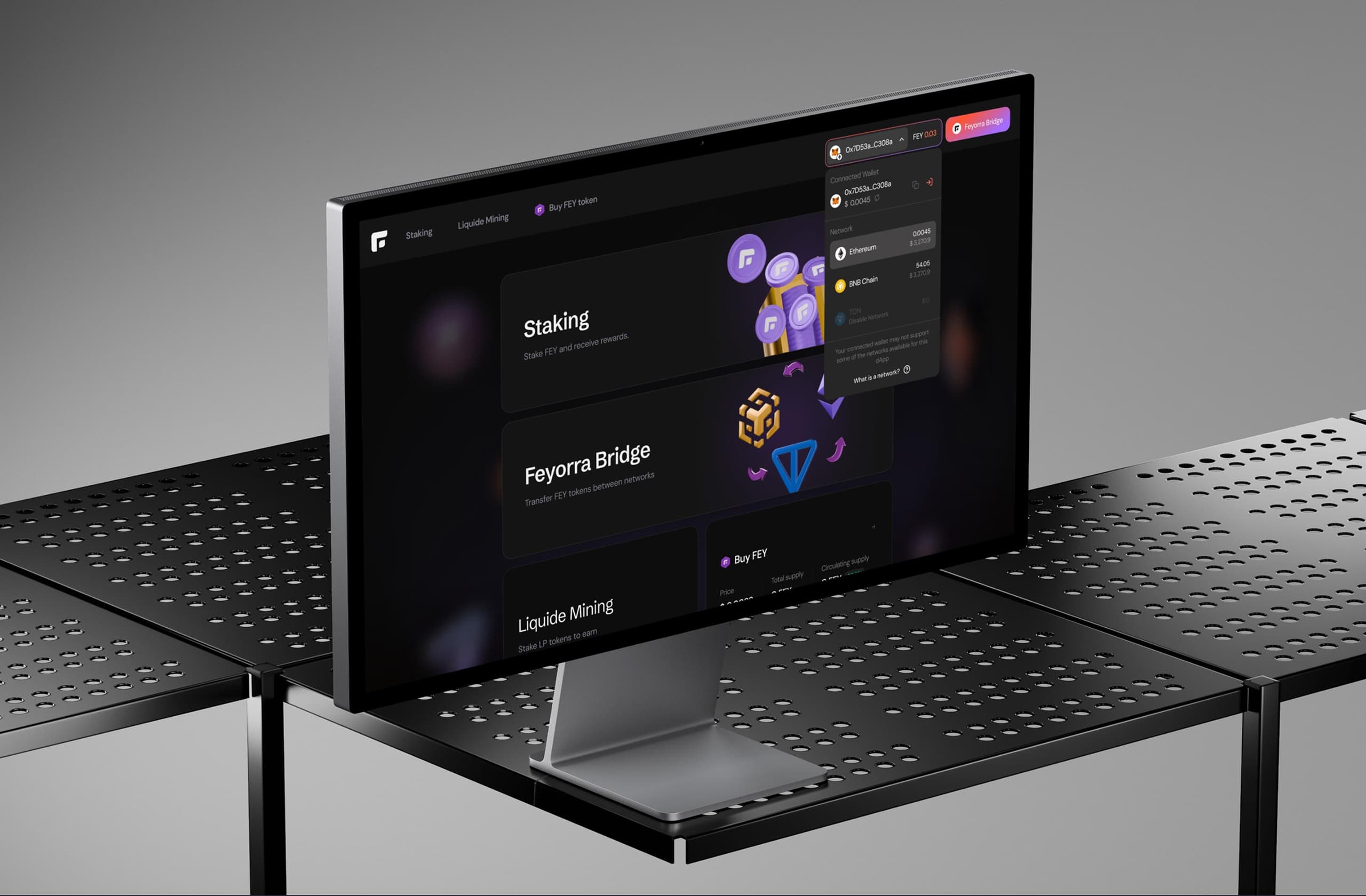
feyorra — dApp
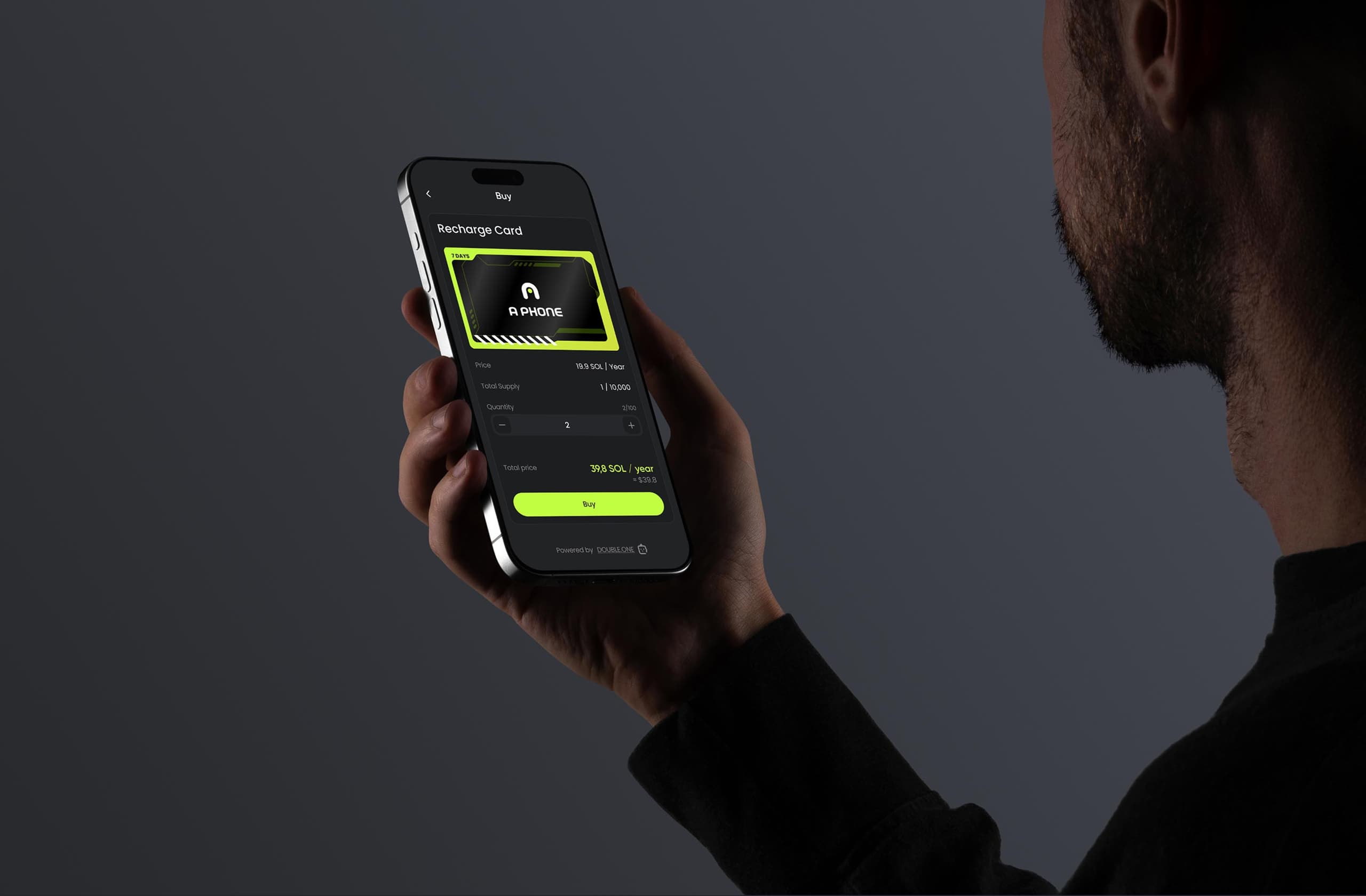
aphone — cloud-phone
kaspa — De-Fi Platform

/Clients/

Client

Froggik

"DESH Team maintained effective communication throughout the project."

Thanks to DESH Team's work, the client saw increased product recognition within the cryptocurrency community. The team managed the...

Viktoriia Bernatska

Co-Founder

ChainCrafters

"I liked their corporate policy and how they turned to customers and their wishes."

DESH Team delivered the project on time, effectively improving the site's UX and flow. The team took the time to understand the cl...

Kolya Vovkun

CEO, Founder

Dropshipping

"I really like how they treat their clients."

DESH Team successfully completed all deliverables; the branding was a great fit for the client's company, and the website was done...

Tetyana Yarchak

CEO

/FAQ/

FAQ’s

Eight to twelve weeks from locked scope to mainnet is the normal range for a single-loop product. Faster than that usually means the scope was not cut — it means the testing was. The scoping phase exists to make that tradeoff explicit before anyone commits to a date.

Some of it, deliberately — and that is different from being forced to. We keep the contracts and the data model production-grade because those are expensive to change once value is in them, and we allow the interface layer to be disposable because it is cheap to replace. Nothing gets shipped that quietly locks you out of the roadmap.

That is the most valuable part of the engagement. We work backwards from the thesis you are trying to prove and cut everything that doesn't move it, then write the non-goals down so scope creep has to be an explicit decision rather than a drift.

Yes — presale and launchpad contracts, vesting, claim flows and the landing page around them are a well-trodden path for us. Where a launch needs demand as well as mechanics, it runs alongside our token launch marketing work rather than after it.

A live product on mainnet, the repositories with their test suites, deployment scripts and verified contract sources, documentation of the architecture and its known limits, and analytics showing what users actually did. You own all of it, whether or not we build the next phase.

left
right
cta background
Ready to prove it, onchain and on schedule?
Let's cut the scope to the loop that matters and put a working onchain product in front of real users — with architecture that survives what comes after