Dash
clutch rating

UX For Products That Ask Users To Sign

We design onboarding, core flows and interface systems for protocols, wallets and dApps — around how blockchains actually behave, not how we wish they did
30+
Design projects delivered for onchain products
500K+
Users onboarded through the interfaces we've designed
90%
Projects launched on schedule

/Our client say/

"I liked their corporate policy and how they turned to customers and their wishes."
client avatar
Kolya Vovkun
CEO, Founder of ChainCrafters
Read moreButtonDots

/Why DESH for Web3 UX/

Designed For Irreversibility
Why onchain products need more than a generalist product studio
Onchain, there isn't one
Every Web2 Pattern Assumes Undo

Confirmation patterns borrowed from SaaS assume a mistake can be reversed by support

We design the moment of consent as the main event: what will change, what it costs, and what cannot be taken back

That is why our flows hold at the exact point where copied interfaces lose people
A slow block is not a failure
Waiting Is A Designed State

A single spinner makes a congested network and a broken product look identical

Pending, replaced and reverted each get their own treatment, with progress, expectation and a way out

Users who know what is happening will wait; users who don't refresh, resubmit and pay for the same gas twice

Design your developers can ship
Engineered For Handoff

A beautiful Figma file means nothing if the team has to guess at the states it doesn't cover

We deliver a design system — components, tokens, interaction rules and documented states — mapped to how your frontend is structured

And we stay available during implementation, because the questions that matter appear when code meets design

/What We Design/

The UX Scope For Onchain Products
From research and flows through to the design system your engineers build against
01
UX Research
Sessions with real wallet users, plus review of where your current product loses people before they commit.
02
Flows & Architecture
Core onchain flow mapping, information architecture for complex protocols, and onboarding designed to earn each step.
03
Wireframes & Prototypes
Interactive prototypes that can be tested before production, including the paths where a transaction fails.
04
Interface Design
dApp, dashboard and protocol screens with transaction, signing and approval states treated as first-class work.
05
Design Systems
Scalable component libraries and tokens with documented interaction and motion rules your team can extend.
06
Dev-Ready Handoff
Specs mapped to your component code, accessibility and contrast standards, and design QA during implementation.

/Where we step in/

Delivering end-to-end UX/UI solutions for Web3 projects at every stage of growth
card image
For early-stage products
  • Structuring core dApp user flows
  • MVP interface definition
  • Token claim & launch experiences
  • Designing token utility into the flow
MVP,
token launch,
first user flows
card image
For scaling products
  • Drop-off & flow optimization
  • Onchain UX improvements
  • Design system expansion
  • Multi-chain interface scaling
Active product,
retention issues,
new features
card image
For ecosystem players
  • Complex onchain dashboards
  • Governance & DAO interfaces
  • Tooling for dev ecosystems
  • Tokenization platform design
Infra,
DAO,
multi-product system

/Cases/

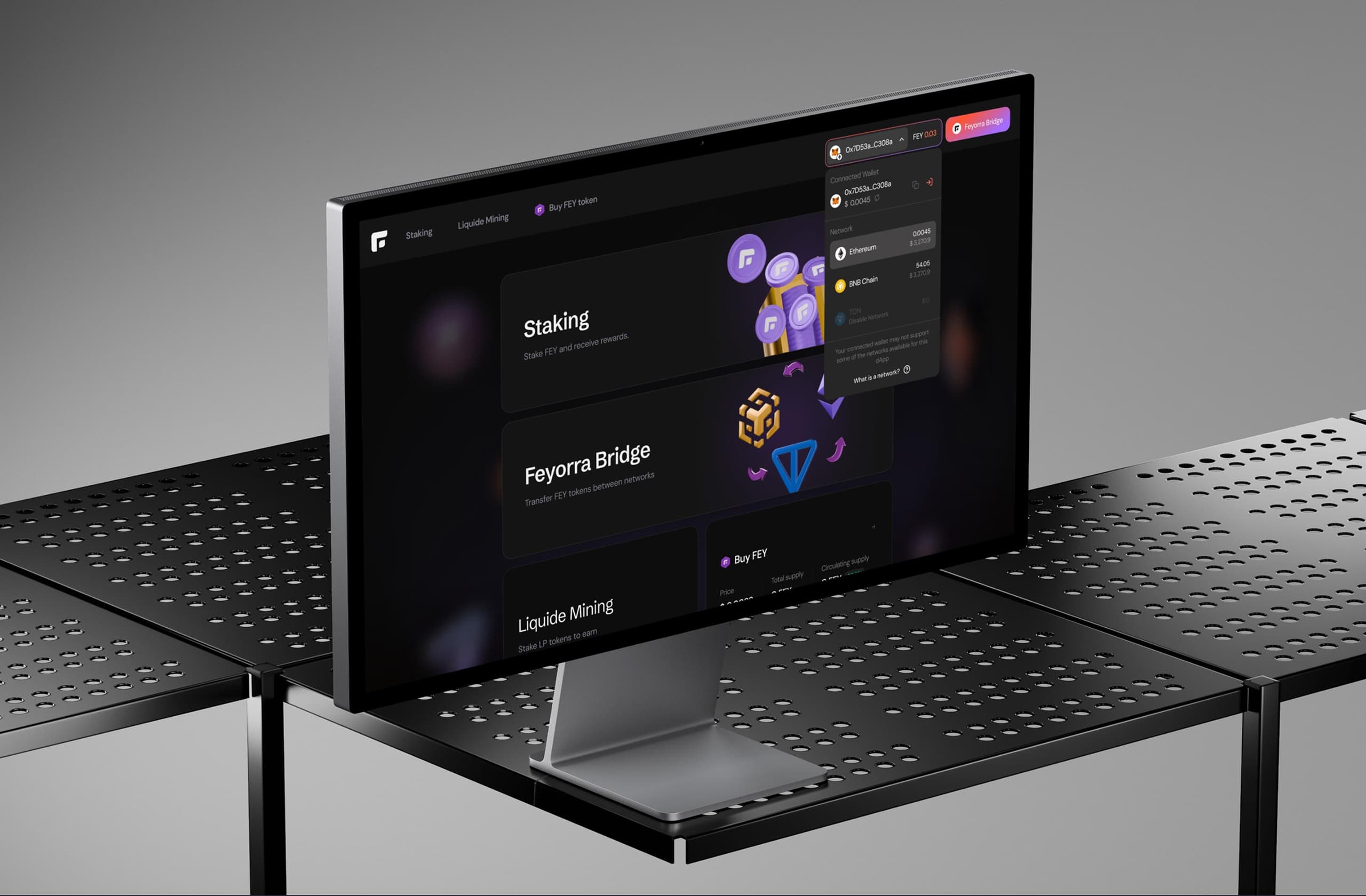
feyorra — dApp
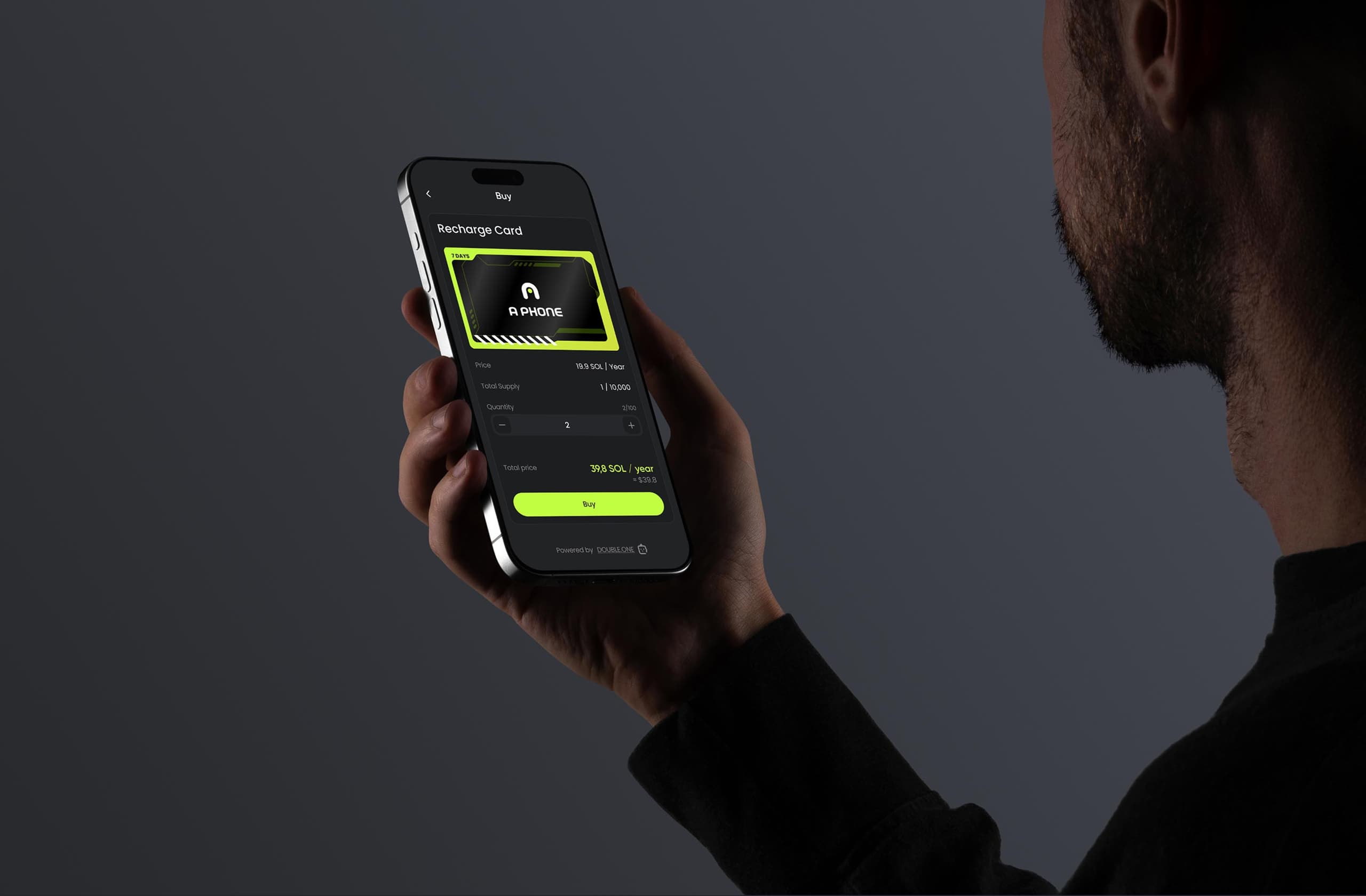
aphone — cloud-phone
kaspa — De-Fi Platform

/Clients/

Client

Froggik

"DESH Team maintained effective communication throughout the project."

Thanks to DESH Team's work, the client saw increased product recognition within the cryptocurrency community. The team managed the...

Viktoriia Bernatska

Co-Founder

ChainCrafters

"I liked their corporate policy and how they turned to customers and their wishes."

DESH Team delivered the project on time, effectively improving the site's UX and flow. The team took the time to understand the cl...

Kolya Vovkun

CEO, Founder

Dropshipping

"I really like how they treat their clients."

DESH Team successfully completed all deliverables; the branding was a great fit for the client's company, and the website was done...

Tetyana Yarchak

CEO

/FAQ/

FAQ’s

The difference is that actions are irreversible and the system is only partly under your control. A transaction can be pending for a minute, get replaced, or fail after the user already approved it — and no amount of visual polish makes that acceptable if the interface hasn't been designed for it. So the work centres on consent, waiting and failure states rather than on screens that assume everything succeeds instantly.

Both are normal. On a live product we start with a UX review against real user sessions and prioritise the flows losing the most people, then work in slices your team can ship continuously. From scratch, we start with the core loop and design outward from it.

A design system rather than a set of screens — components, tokens, interaction rules and documented states, mapped to the way your frontend is structured. We stay available during implementation, because the questions that matter always appear when the code meets the design.

Yes, and that is often the right order — design pressure surfaces mechanics problems while they are still cheap to change. We work from the intended contract behaviour and flag every place where the interface would be promising something the contracts can't deliver.

A focused audit of existing flows runs 1 to 2 weeks. A core product redesign with a design system is typically 6 to 12 weeks depending on the number of flows. Scoping happens first, so the timeline is realistic before production starts.

left
right
cta background
Ready to turn, complexity into clarity?
Let's look at where your users hesitate — onboarding, signing, waiting — and design the flows that carry them through instead of losing them there