Dash

Keep It Working After Launch

We put models into production and keep them there — versioning, monitoring, rollback and retraining — so accuracy does not quietly decay while the dashboard stays green
4 years
Shipping production software through bear and bull cycles
500K+
Users onboarded through the products we've engineered
50+
Projects scaled from early MVPs to live products

/Why DESH for MLOps/

Model Accuracy Decays Quietly
Rarely in a way anybody notices at the time, which is the problem
Model, prompt, dataset and config together
Rollback That Works

Everything is versioned as one unit, so reverting is a single action rather than an archaeology exercise

Teams that version the model but not the prompt discover the gap at the worst possible moment

Reproducing what is currently running should never be an open question

Tuned to fire on real degradation
Alerts People Do Not Ignore

An alerting system that cries wolf daily is worse than none, because it trains everyone to dismiss it

We use input drift plus proxy metrics where ground truth arrives late, and direct accuracy where labels come quickly

Thresholds are set against your data rather than copied from a template

Runbooks, not a retainer
Handover Is The Goal

Your team gets documentation, runbooks and a retraining pipeline they can run

Ongoing dependency on us for routine operations is a bad outcome for you and an unreliable business for us

If your team cannot operate it without us, we built the wrong thing

/What We Build/

The Layer Everyone Cuts From Scope
Serving, versioning, monitoring and retraining, plus the cost work that keeps inference affordable
01
Model Serving
Inference APIs with autoscaling, batching and GPU utilisation tuned to your traffic shape.
02
Versioning & Rollback
Every model, prompt, dataset and config versioned together, with a revert that takes a minute.
03
Monitoring
Latency, cost, accuracy proxies and input drift tracked continuously, with alerts calibrated to matter.
04
Retraining Pipelines
Scheduled or triggered retraining with automatic evaluation gates before anything is promoted.
05
CI/CD For Models
Tests, evaluation gates and staged rollout applied the way they already are to application code.
06
Cost Optimisation
Right sizing, quantisation, spot capacity and caching, applied where they pay and skipped where they do not.

/Where we step in/

Getting the first model out of a notebook, and keeping the tenth one maintainable
card image
For a first production model
  • Notebook to serving API
  • Versioning from day one
  • Monitoring before the first incident
  • Deployment your team can repeat
First model,
no infrastructure,
production
card image
For models live but unmonitored
  • Audit of what is deployed and tracked
  • Reproducibility checked honestly
  • Drift monitoring introduced
  • Rollback path established
Running,
nobody knows how well,
audit
card image
For a growing model estate
  • Shared standards across models
  • Platform layer for new deployments
  • Inference cost reduced where it pays
  • Runbooks and full handover
Several models,
no standard,
platform

/Cases/

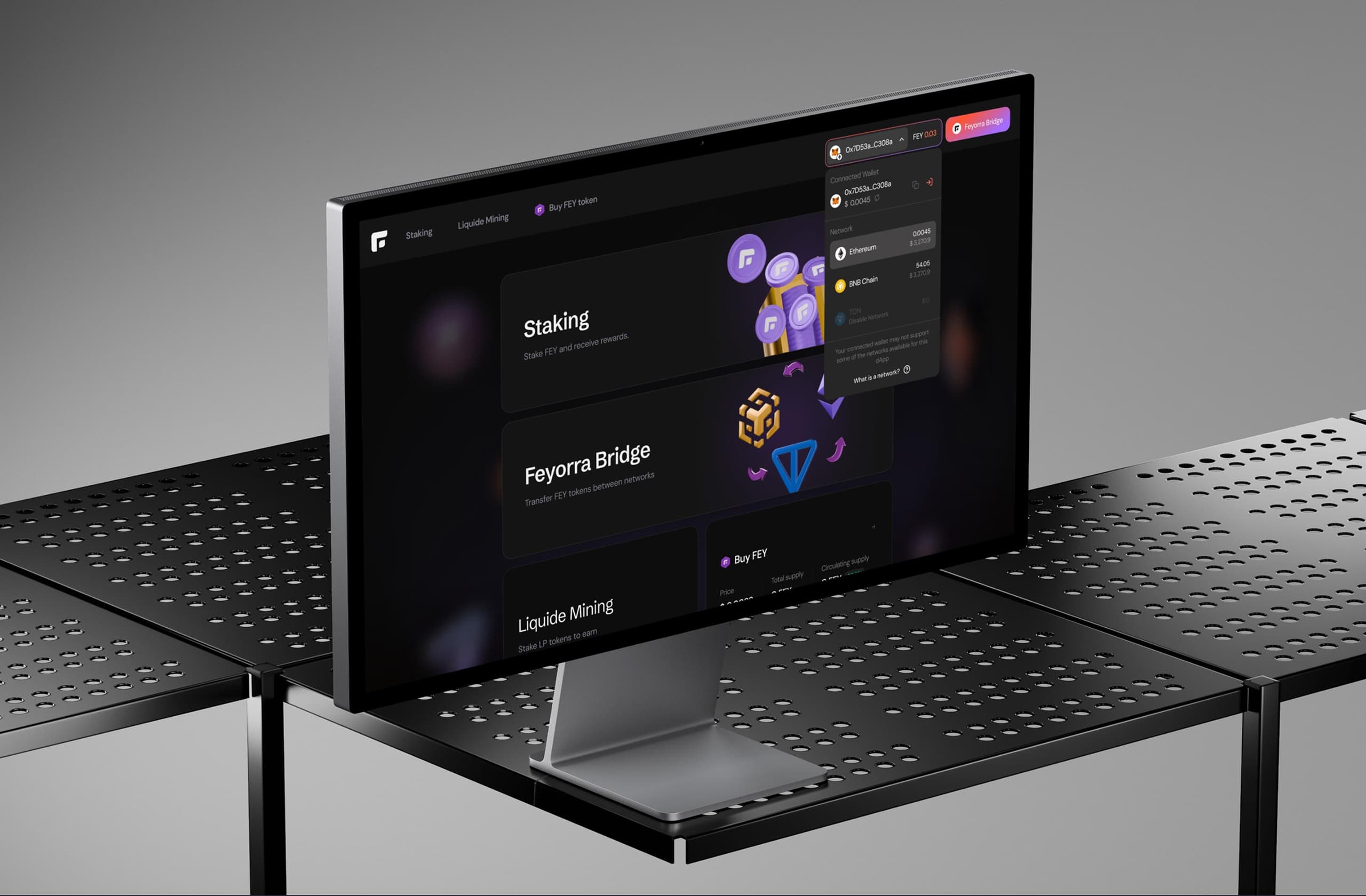
feyorra — dApp
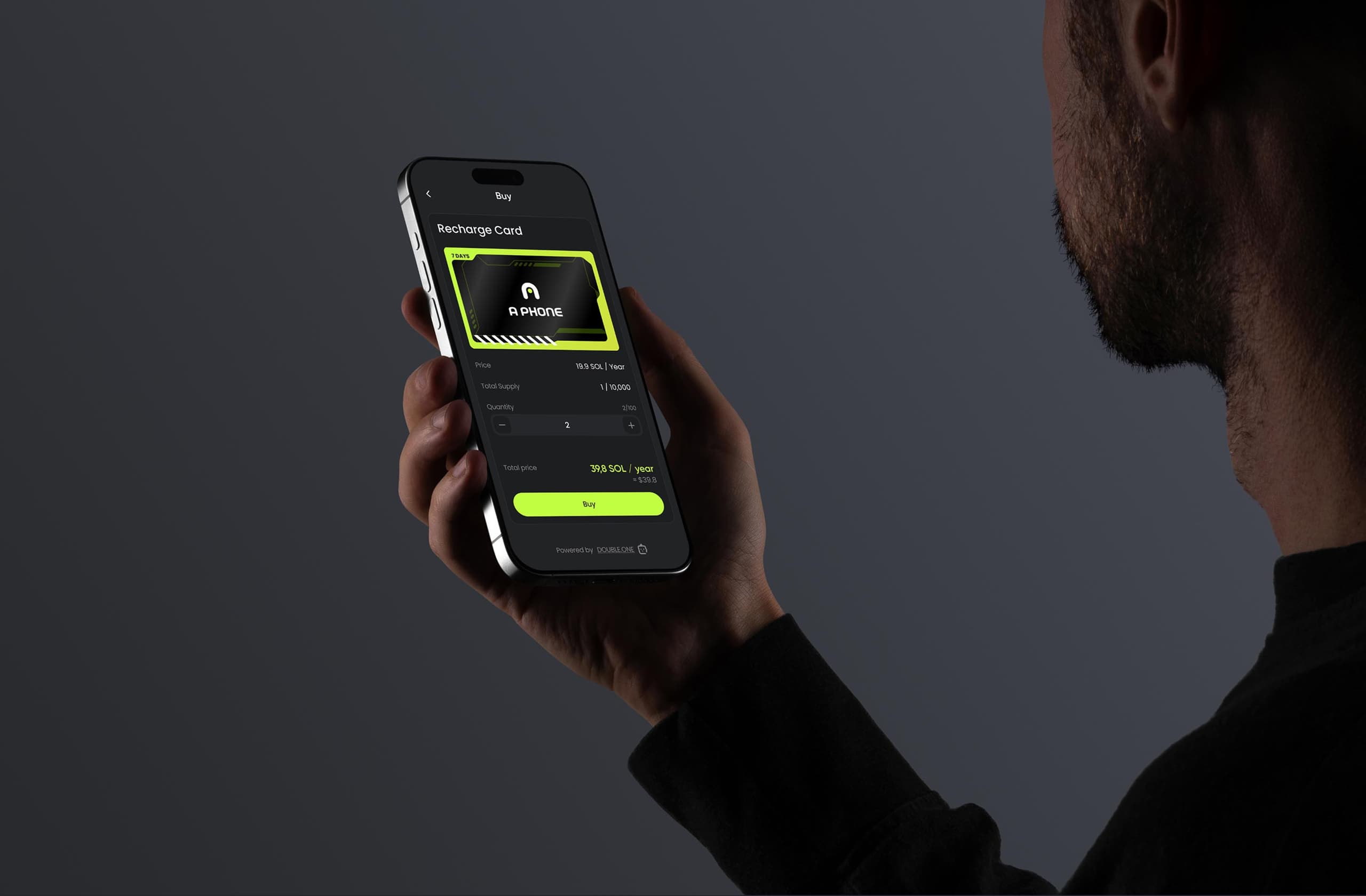
aphone — cloud-phone
kaspa — De-Fi Platform

/Clients/

Client

Froggik

"DESH Team maintained effective communication throughout the project."

Thanks to DESH Team's work, the client saw increased product recognition within the cryptocurrency community. The team managed the...

Viktoriia Bernatska

Co-Founder

ChainCrafters

"I liked their corporate policy and how they turned to customers and their wishes."

DESH Team delivered the project on time, effectively improving the site's UX and flow. The team took the time to understand the cl...

Kolya Vovkun

CEO, Founder

Dropshipping

"I really like how they treat their clients."

DESH Team successfully completed all deliverables; the branding was a great fit for the client's company, and the website was done...

Tetyana Yarchak

CEO

/FAQ/

FAQ’s

An audit: how they are deployed, what is monitored, what happens on a bad release, and whether anyone could reproduce the current model from scratch. That last question is the one that usually produces silence, and the answer sets the priorities.

Input drift plus proxy metrics where ground truth arrives late, and direct accuracy tracking where labels come quickly. Alerts are tuned against your data so they fire on real degradation rather than routine variation.

As often as the data shifts, which ranges from weekly to yearly depending on the domain. We make it a scheduled pipeline with evaluation gates, so the decision is driven by measurement rather than by a calendar habit.

Both. GPU workloads run in your cloud account or on your own hardware depending on cost at volume and data residency. We build so the choice stays reversible.

That is the intent. Handover includes runbooks, documentation and a walkthrough of the retraining pipeline. If your team cannot operate it without us, we have built the wrong thing.

left
right
cta background
Ready to stop guessing, whether it still works?
Let's audit what is running today, put monitoring and rollback behind it, and hand your team a pipeline they can operate