Dash

Chatbots People Actually Use

Assistants grounded in your documentation and product data — they answer from your content, cite what they used, and hand off to a person instead of inventing policy
4 years
Shipping production software through bear and bull cycles
500K+
Users onboarded through the products we've engineered
50+
Projects scaled from early MVPs to live products

/Why DESH for Chatbots/

Structurally Unable To Invent Policy
Why a confident wrong answer costs more than no answer at all
It answers from your content or it refuses
Grounded Or Silent

Responses are assembled from retrieved content with citations, so the bot cannot state a policy it has never been shown

When retrieval returns nothing relevant it says so and offers a person

We score that behaviour on a test set, so it is a number you can check rather than a promise

Designed first, not left until last
Escalation Is The Product

Most bots treat handoff as the failure case and build it last, which is why customers end up repeating themselves

We define the triggers, pass the full conversation and retrieved context to the agent, and design what the customer sees

A bot that answers 60 percent and escalates well beats one that answers 85 percent and strands the rest

Often worth the project on their own
The Gaps It Finds

Within a month you have a ranked list of questions your customers ask that your documentation does not answer

That list usually changes the content roadmap more than the bot changes ticket volume

It comes out of the analytics rather than out of a workshop

/What We Build/

From First Answer To Full Coverage
The answering layer, the channels it reaches, and the analytics that tell you where it fails
01
Grounded Answering
Responses built from your help centre, docs, policies and past tickets, with citations back to the source passage.
02
Channel Deployment
Website widget, WhatsApp, Telegram, Slack and in-product, all from one backend and one knowledge base.
03
Human Handoff
Escalation triggers you define, with the conversation and retrieved context passed to the agent. No cold restarts.
04
Intent & Routing
Requests classified by topic, urgency and language before an answer is generated, so complaints and how-to questions take different paths.
05
Conversation Analytics
What people ask, where the bot fails, what gets escalated anyway, and which documentation gaps cost the most tickets.
06
Multilingual Support
One knowledge base serving every market you sell in, so answers stay consistent across languages.

/Where we step in/

Taking load off support at every stage, from a first grounded bot to an assistant that takes actions
card image
For support at capacity
  • Knowledge base built from existing content
  • Top question types covered first
  • Escalation path defined with your team
  • Evaluation set including refusals
High volume,
repetition,
first deployment
card image
For products going multi-market
  • One knowledge base, many languages
  • Channel expansion without a second bot
  • Regional routing and tone rules
  • Consistency checks across languages
New markets,
many channels,
one brain
card image
For bots that should act
  • Order status, bookings and returns
  • Scoped write access to your systems
  • Human approval on sensitive actions
  • Full audit of what was changed
Answering works,
actions next,
permissions

/Cases/

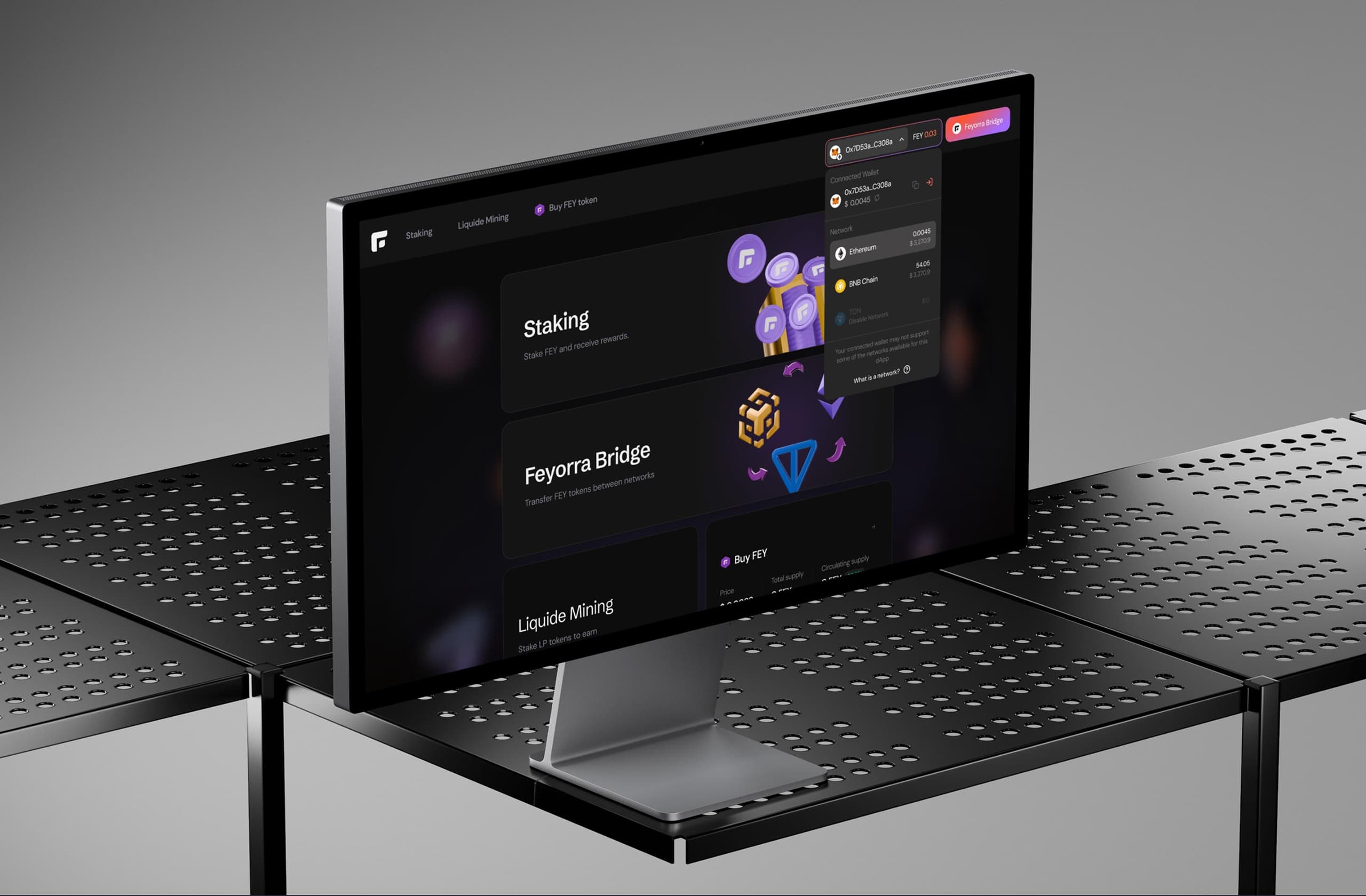
feyorra — dApp
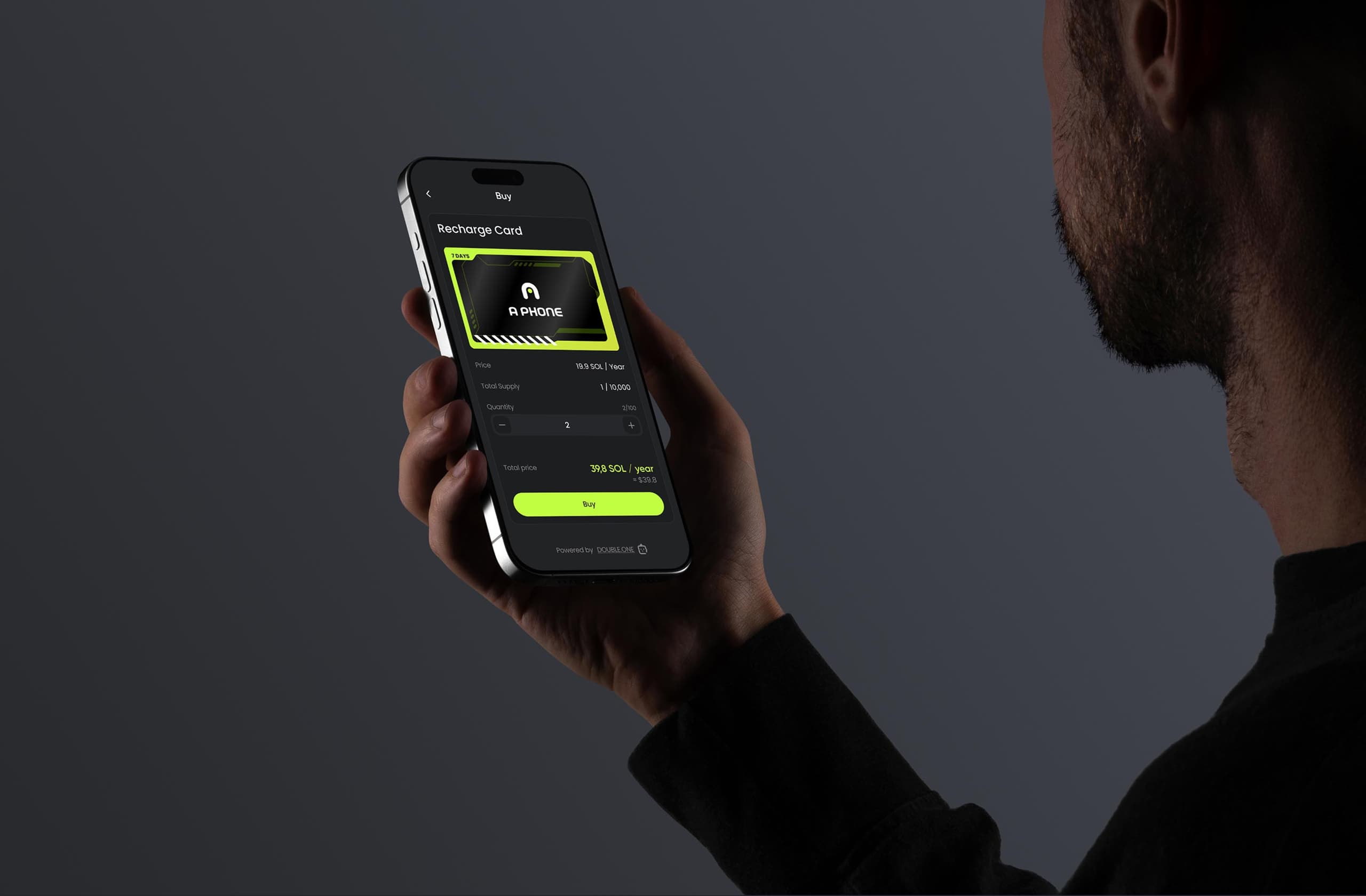
aphone — cloud-phone
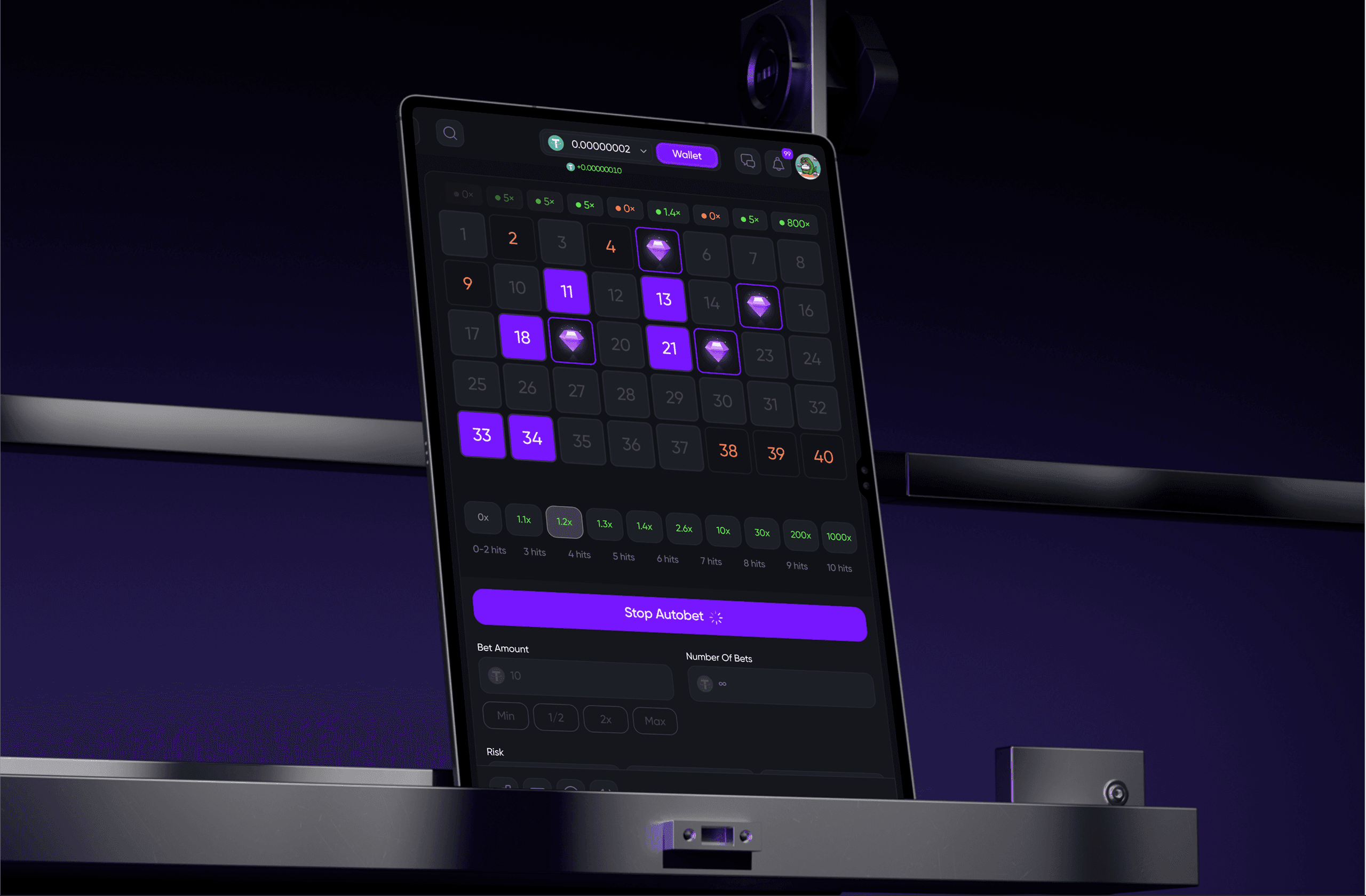
kaspa — De-Fi Platform

/Clients/

Client

Froggik

"DESH Team maintained effective communication throughout the project."

Thanks to DESH Team's work, the client saw increased product recognition within the cryptocurrency community. The team managed the...

Viktoriia Bernatska

Co-Founder

ChainCrafters

"I liked their corporate policy and how they turned to customers and their wishes."

DESH Team delivered the project on time, effectively improving the site's UX and flow. The team took the time to understand the cl...

Kolya Vovkun

CEO, Founder

Dropshipping

"I really like how they treat their clients."

DESH Team successfully completed all deliverables; the branding was a great fit for the client's company, and the website was done...

Tetyana Yarchak

CEO

/FAQ/

FAQ’s

It answers only from retrieved content and cites what it used. When retrieval returns nothing relevant it says so and offers escalation. We score that on an evaluation set built from your real questions, including ones we know it should refuse.

Whatever your team already answers from: help centre, product docs, policies, past tickets, PDFs. Part of the work is turning that into a retrievable knowledge base. Expect a list of contradictions we found in it, because there always are some.

Yes — check an order, book a slot, start a return, update a record. Once it takes actions in your systems it becomes an agent, with the permissions and audit that implies. We usually launch answering first and add actions once answering quality is settled.

Escalation triggers on frustration signals and on any explicit request for a person, and it happens quickly. Arguing with an upset customer is the one thing an automated system should never be allowed to do.

A grounded support bot on one channel typically ships in four to six weeks, including the evaluation set. Additional channels, languages and actions extend it in predictable increments after that.

left
right
cta background
Ready for a bot, that admits what it doesn't know?
Let's turn your existing content into something retrievable, then build the answering and escalation your customers will actually tolerate