Dash

Wallets Where The Keys Are The Product

Non-custodial, MPC and smart-account wallets — built around key generation, storage, signing and recovery, then wrapped in flows a first-time user can finish
500K+
Users onboarded through the Web3 products we've engineered
MULTI-CHAIN
EVM, Solana and L2 support built in from the architecture up
4 years
Shipping secure onchain products through bear and bull cycles

/Why DESH for Wallet Development/

Built Around The Key Lifecycle
Why a wallet cannot be architected like an ordinary app
Isolated storage, explicit threat model
The Key Never Leaks

A wallet has a failure mode no other product has: get it wrong once and the funds are gone with no support ticket that can undo it

Key generation, storage and signing are isolated in the platform's secure enclave or an MPC scheme, never passing through logs or analytics

The trust assumptions are written down, so an auditor can check them instead of inferring them

Not a warning screen users skip
Recovery Is Engineered

Backup gets skipped during onboarding and needed six months later, on a different device, under stress

We build recovery as a first-class path — guardians, social recovery or MPC share reconstruction — and test it with people who have never seen the app

A recovery path nobody has rehearsed is not a recovery path, it is a support queue waiting to happen

Simulated and decoded before approval
Signing People Can Read

Showing raw calldata means users approve on faith, which is how unlimited approvals and drainer signatures get through

Transactions are simulated and decoded into what will actually change, what it costs and what cannot be undone

Known-risky patterns get an explicit warning rather than a neutral confirm button

/What We Build/

The Wallet Scope, Keys To Product
Key management, chain support, the interface around them, and the operational security that keeps the whole thing defensible
01
Key Management
BIP-39/BIP-44 derivation, Secure Enclave and Android Keystore integration, and MPC or threshold signature schemes.
02
Smart Accounts
ERC-4337 wallets with session keys, gas sponsorship and batched actions, plus social recovery and guardian mechanisms.
03
Multi-Chain Support
EVM and Solana account handling, token and NFT discovery, fee estimation, and swap and bridge routing integration.
04
Product Surface
Mobile wallets in React Native, browser extensions, and embedded wallet SDKs for products that want a wallet inside an existing app.
05
Signing & Safety
Transaction simulation, human-readable prompts, dApp connection management and scam-pattern warnings.
06
Security & Compliance
Threat modelling, independent audit support, device binding and biometrics, plus KYC/AML or custody integration where required.

/Where we step in/

Engineering custody at every stage, from an embedded wallet inside a product to a standalone consumer wallet
card image
For early-stage products
  • Custody model selection
  • Embedded wallet inside an existing app
  • Onboarding for first-time crypto users
  • First security review
Embedded wallet,
first users,
custody choice
card image
For scaling products
  • Migration to MPC or smart accounts
  • New chain and asset support
  • Swap, bridge and staking integration
  • Recovery flow hardening
Live wallet,
new chains,
recovery
card image
For ecosystem players
  • Standalone multi-chain consumer wallets
  • Wallet SDKs for partner products
  • Audit support and remediation
  • Ongoing maintenance & store releases
Consumer wallet,
SDK,
long-term ops

/Cases/

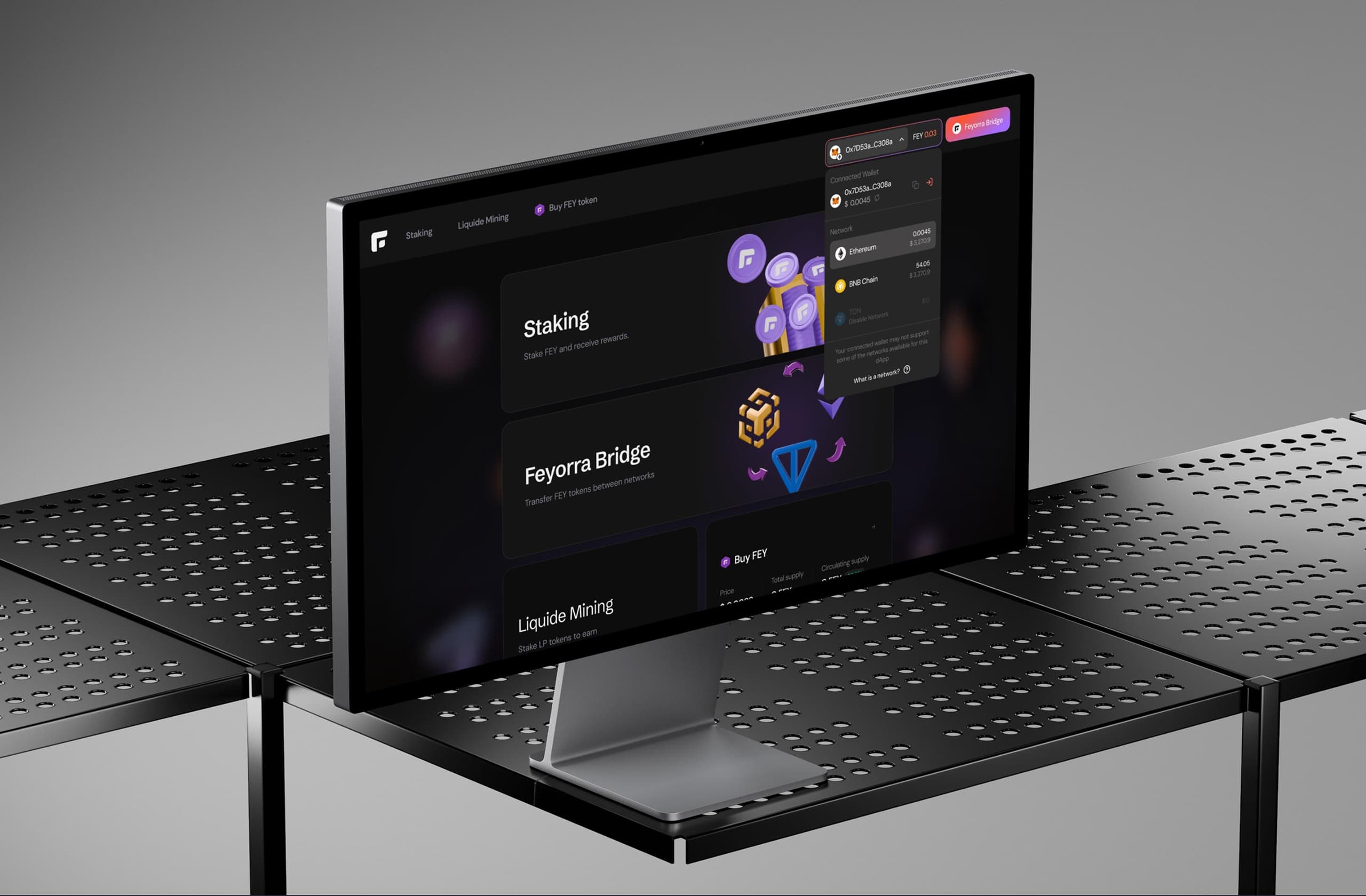
feyorra — dApp
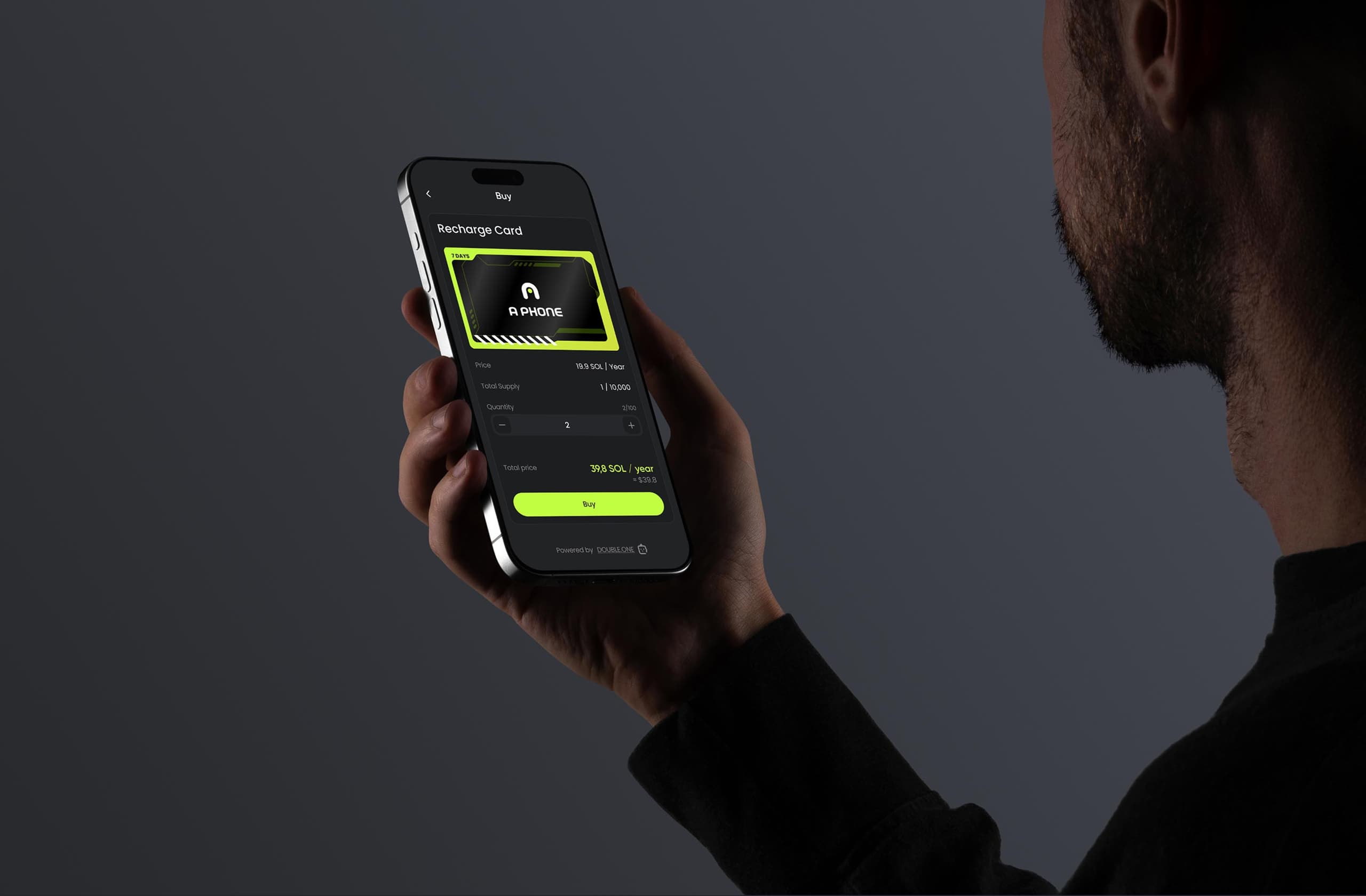
aphone — cloud-phone
kaspa — De-Fi Platform

/Clients/

Client

Froggik

"DESH Team maintained effective communication throughout the project."

Thanks to DESH Team's work, the client saw increased product recognition within the cryptocurrency community. The team managed the...

Viktoriia Bernatska

Co-Founder

ChainCrafters

"I liked their corporate policy and how they turned to customers and their wishes."

DESH Team delivered the project on time, effectively improving the site's UX and flow. The team took the time to understand the cl...

Kolya Vovkun

CEO, Founder

Dropshipping

"I really like how they treat their clients."

DESH Team successfully completed all deliverables; the branding was a great fit for the client's company, and the website was done...

Tetyana Yarchak

CEO

/FAQ/

FAQ’s

It follows from who your users are and what you are legally willing to hold. Non-custodial keeps you out of the custody business but puts recovery entirely on the user. MPC and smart accounts let you offer recovery and gas sponsorship without holding a full key. Custodial is simplest for users and heaviest for you in licensing and liability. We work through that tradeoff during scoping before any architecture is fixed.

All three. Mobile wallets in React Native with native secure-storage modules, browser extensions against the standard provider interfaces, and embedded wallet SDKs for products that want a wallet inside an existing app rather than a separate one.

The seed never leaves secure storage in plaintext, never touches logs or analytics, and the code paths that handle it are isolated and reviewed as their own surface. Recovery is designed as a real flow rather than a warning screen — depending on the custody model that means guardians, social recovery, or MPC share reconstruction, and we usability-test it with people who have never seen the app.

Not the same way, but yes, it should be audited. Contract audits look at onchain logic; a wallet audit looks at key handling, storage, entropy, IPC surfaces and the client-side attack surface. We prepare the threat model and documentation, support the audit, and handle remediation — and if the wallet includes smart accounts, those contracts go through a contract audit as well.

An embedded wallet SDK inside an existing product is typically 6 to 10 weeks. A standalone multi-chain consumer wallet with recovery, swaps and dApp connections is closer to 4 to 6 months before audit. Scoping settles the timeline before production starts.

left
right
cta background
Ready to build a wallet, you can be responsible for?
Let's settle the custody model, the key lifecycle and the recovery path first — then build the product around a security decision you can defend