Dash

Custom Models, When They Earn It

We fine-tune and distil models on your data where a general one is not accurate, cheap or private enough — and we check that before you commit to it
4 years
Shipping production software through bear and bull cycles
500K+
Users onboarded through the products we've engineered
50+
Projects scaled from early MVPs to live products

/Why DESH for Custom Models/

Most Teams Asking For One Do Not Need It
And we would rather say that on the first call than take the budget
By measuring rather than by opinion
We Try To Talk You Out Of It

The feasibility check compares a properly engineered prompt against a fine tune on your own evaluation set

If prompting wins, that is the answer, and you have spent a fraction of the budget to learn it

Custom models earn their place on narrow high-volume tasks, on domain language, and where data cannot leave


Architecture rarely decides the outcome
The Dataset Is The Project

Coverage of edge cases, label consistency and the split strategy are what move the numbers

Most of the effort goes there, and the estimate says so rather than pretending training is the hard part

A thousand carefully labelled examples beat ten thousand sloppy ones

Weights, dataset, training code
You Own The Result

We build on permissively licensed base models unless you ask otherwise

Licence constraints get flagged before training rather than discovered at deployment

The evaluation harness comes with it, so you can re-run the comparison when a better general model ships

/What We Build/

From Feasibility To Served Model
The check that decides whether to build one, and everything needed if the answer is yes
01
Feasibility Assessment
A measured comparison between prompting and fine tuning on your task, with a recommendation and the numbers behind it.
02
Dataset Construction
Collection, labelling, cleaning and splitting, with class imbalance and edge case coverage handled deliberately.
03
Fine Tuning
Supervised and preference tuning on open-weight or hosted models, sized against your latency and cost targets.
04
Distillation
A smaller model trained to match a larger one on your specific task, which is often what makes the economics work at volume.
05
Evaluation
Held-out benchmarks comparing your model against the general baseline it has to beat, reported honestly.
06
Deployment
Serving on your infrastructure with quantisation and batching tuned to your traffic pattern.

/Where we step in/

Where a general model is genuinely not the right tool, and only there
card image
For high volume narrow tasks
  • Classification or extraction at millions of calls
  • Small model sized against latency targets
  • Distillation from a larger teacher
  • Unit economics modelled before build
High volume,
narrow task,
cost per call
card image
For domain language
  • Clinical, legal or industrial terminology
  • Vocabulary and edge cases in the dataset
  • Comparison against the general baseline
  • Accuracy reported per class
Specialist text,
poor general accuracy,
tuning
card image
For data that cannot leave
  • Open-weight base models in your environment
  • Training and serving on your infrastructure
  • Licence constraints checked up front
  • Weights and dataset handed over
Regulated data,
no third party,
in house

/Cases/

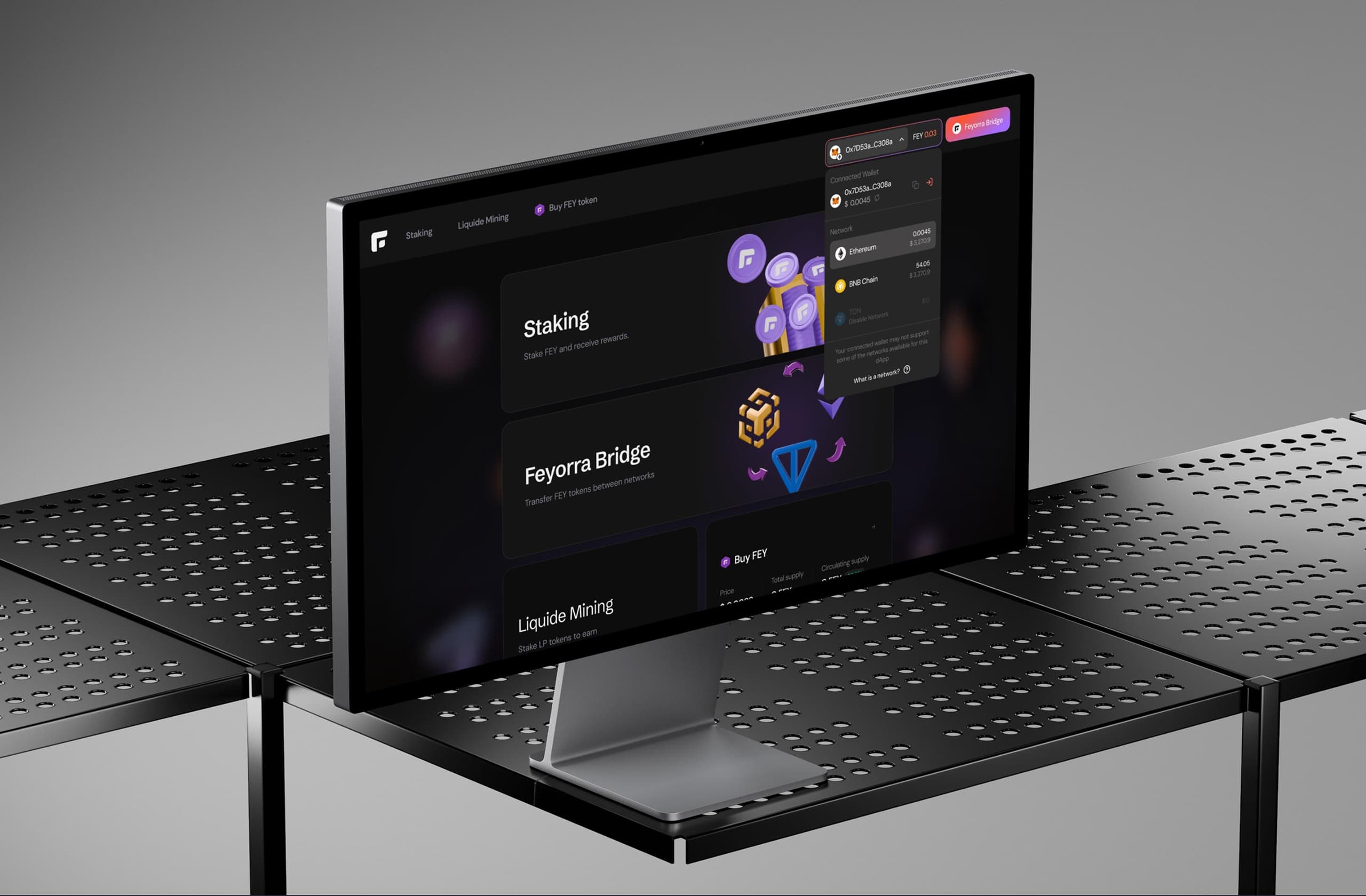
feyorra — dApp
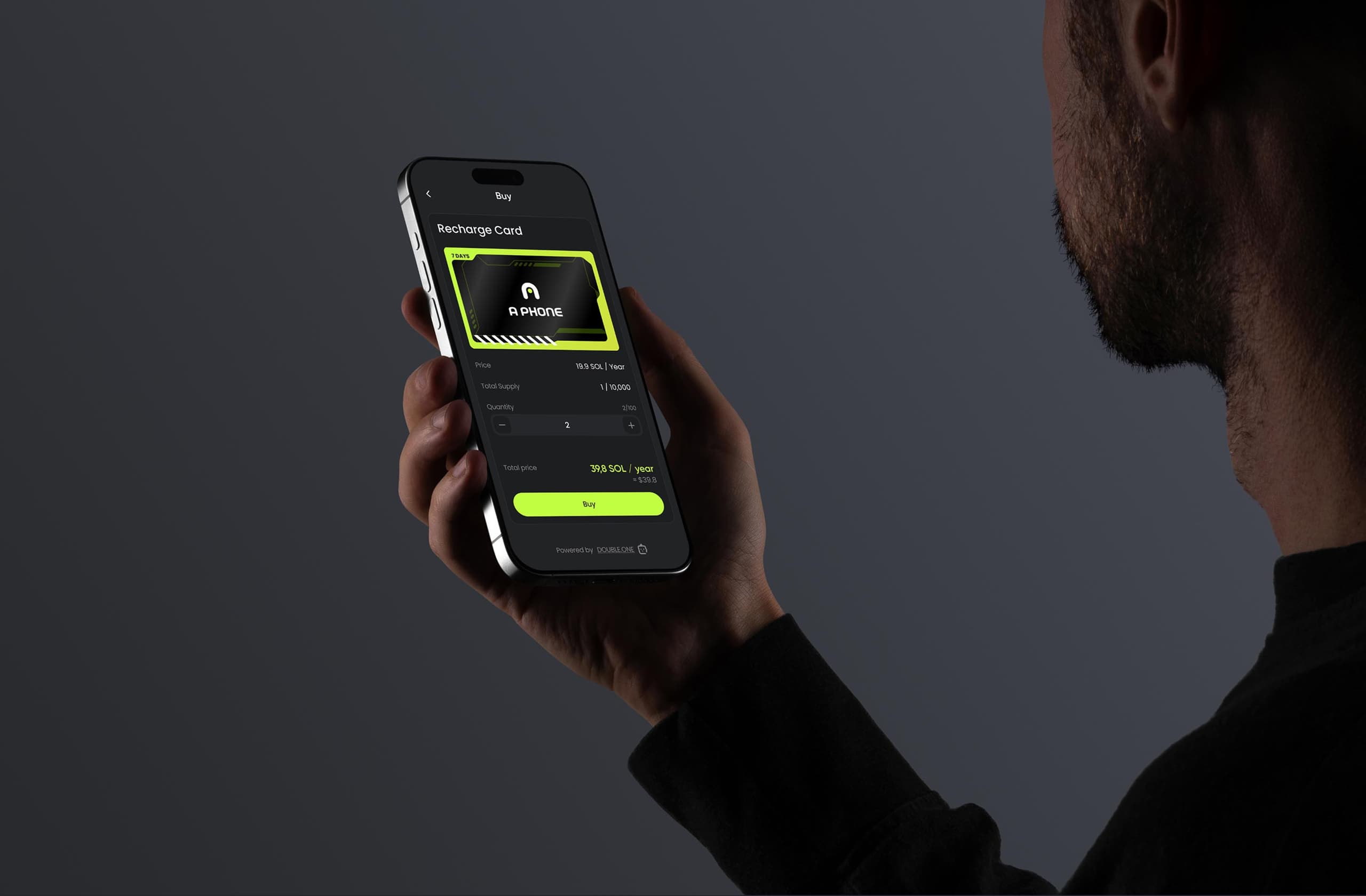
aphone — cloud-phone
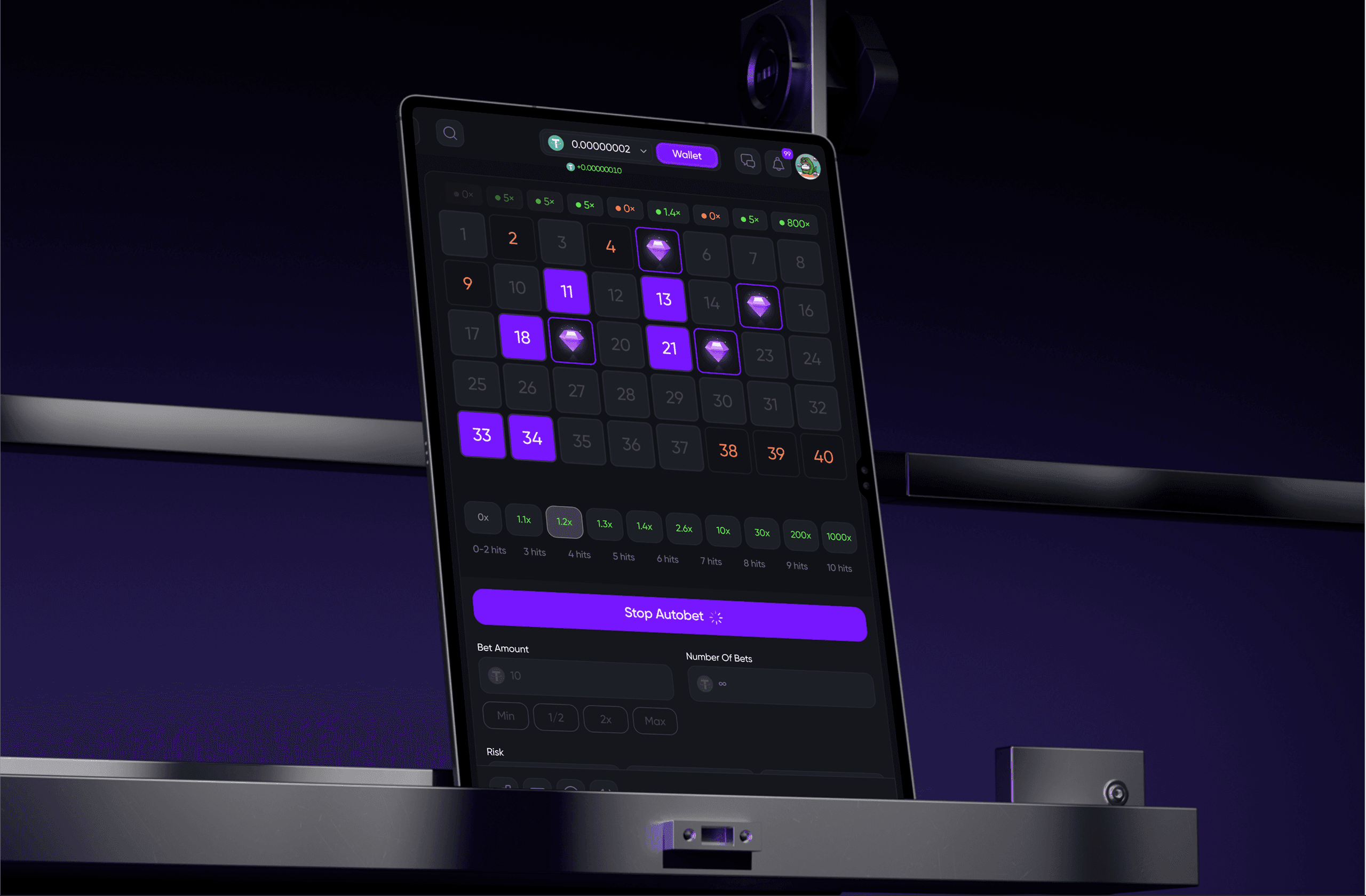
kaspa — De-Fi Platform

/Clients/

Client

Froggik

"DESH Team maintained effective communication throughout the project."

Thanks to DESH Team's work, the client saw increased product recognition within the cryptocurrency community. The team managed the...

Viktoriia Bernatska

Co-Founder

ChainCrafters

"I liked their corporate policy and how they turned to customers and their wishes."

DESH Team delivered the project on time, effectively improving the site's UX and flow. The team took the time to understand the cl...

Kolya Vovkun

CEO, Founder

Dropshipping

"I really like how they treat their clients."

DESH Team successfully completed all deliverables; the branding was a great fit for the client's company, and the website was done...

Tetyana Yarchak

CEO

/FAQ/

FAQ’s

Often not. We check by measuring, comparing a properly engineered prompt against a fine tune on your data. When prompting wins we tell you and stop there. It is a shorter engagement and a better outcome than a fine tune that gets abandoned.

Less than people expect for fine tuning a strong base model, often hundreds to a few thousand good examples. Quality and edge case coverage matter far more than raw volume.

You do. Weights, dataset, training code and evaluation harness. We use permissively licensed base models by default and raise any licence constraint before training starts.

It depends on model size and traffic, and we size against your targets during scoping. Distillation is frequently the difference between viable and not, so we look at it early rather than as an afterthought.

We re-run the comparison. If the new general model beats your fine tune, switching is the right call and we will say so. Building the evaluation harness at the start is what makes that decision easy later.

left
right
cta background
Ready to find out, whether you need one at all?
Let's measure a good prompt against a fine tune on your data, and only build the model if the numbers say it earns its place