Dash

dApps That Tell Users The Truth

We build decentralised applications where every transaction state is visible and every wallet edge case is handled — from connection to confirmation
500K+
Users onboarded through the dApp interfaces we've built
99.8%
Uptime across the products we've shipped and maintained
4 years
Building onchain frontends through bear and bull cycles

/Why DESH for dApp Development/

A Connect Button Is Not A dApp
Why onchain frontends need engineers who have shipped onchain frontends
Signing, pending, replaced, reverted
Every State Is Visible

One spinner covering the whole transaction lifecycle tells the user nothing, and a slow block looks exactly like a failure

We model simulate, sign, broadcast, pending, confirmed, replaced and reverted as distinct states the interface can show

A user with a stuck nonce sees that fact and gets an action — speed up, cancel, wait — instead of an indefinite wait


Network switches and rejections recover
Wallet Chaos Is Handled

Account changes, chain switches and rejected signatures are normal events, not the undefined state that only a refresh fixes

We test them as first-class paths across the wallets your users actually hold, including hardware and smart accounts

The result is an app that survives a chain switch mid-flow instead of dropping the user onto an empty screen

Reads reconcile against the chain
The Numbers Match The Wallet

A cached balance that disagrees with the user's wallet destroys trust faster than any bug

Reads come from an indexed source that reconciles against the chain, with staleness made visible rather than hidden

Failures are decoded into plain language with a next action, not a hex revert string

/What We Build/

The dApp Scope, Connection To Confirmation
The interface layer, the wallet and transaction plumbing beneath it, and the data services that feed both
01
Frontend Architecture
React and Next.js application structure, design-system implementation and state management built around async onchain data.
02
Wallet Integration
Wagmi, viem, ethers and WalletConnect, with multi-chain switching, hardware wallets and smart accounts tested as real paths.
03
Transaction Layer
Simulation and gas estimation before signing, batching, permit signatures and account abstraction flows.
04
Realtime Data
Subgraph and indexer integration, WebSocket and polling strategies, and position, portfolio and history views that stay live.
05
Performance
Data-heavy dashboards profiled and tuned, so a page full of positions stays usable on a mid-range phone.
06
Release & Reliability
End-to-end tests against forked chain state, error tracking, funnel instrumentation and preview environments.

/Where we step in/

Building and hardening onchain frontends at every stage, from a first interface to a product under real load
card image
For early-stage products
  • First dApp interface over new contracts
  • Wallet connection & onboarding
  • Core transaction flows
  • Testnet iteration with real users
MVP,
first interface,
onboarding
card image
For scaling products
  • Transaction state and error handling rework
  • Dashboard performance optimisation
  • Multi-chain and L2 support
  • Design system implementation
Live product,
drop-off,
new chains
card image
For ecosystem players
  • Complex onchain dashboards
  • Governance & DAO interfaces
  • Multi-product frontend architecture
  • Ongoing maintenance & iteration
Infra,
DAO,
multi-product system

/Cases/

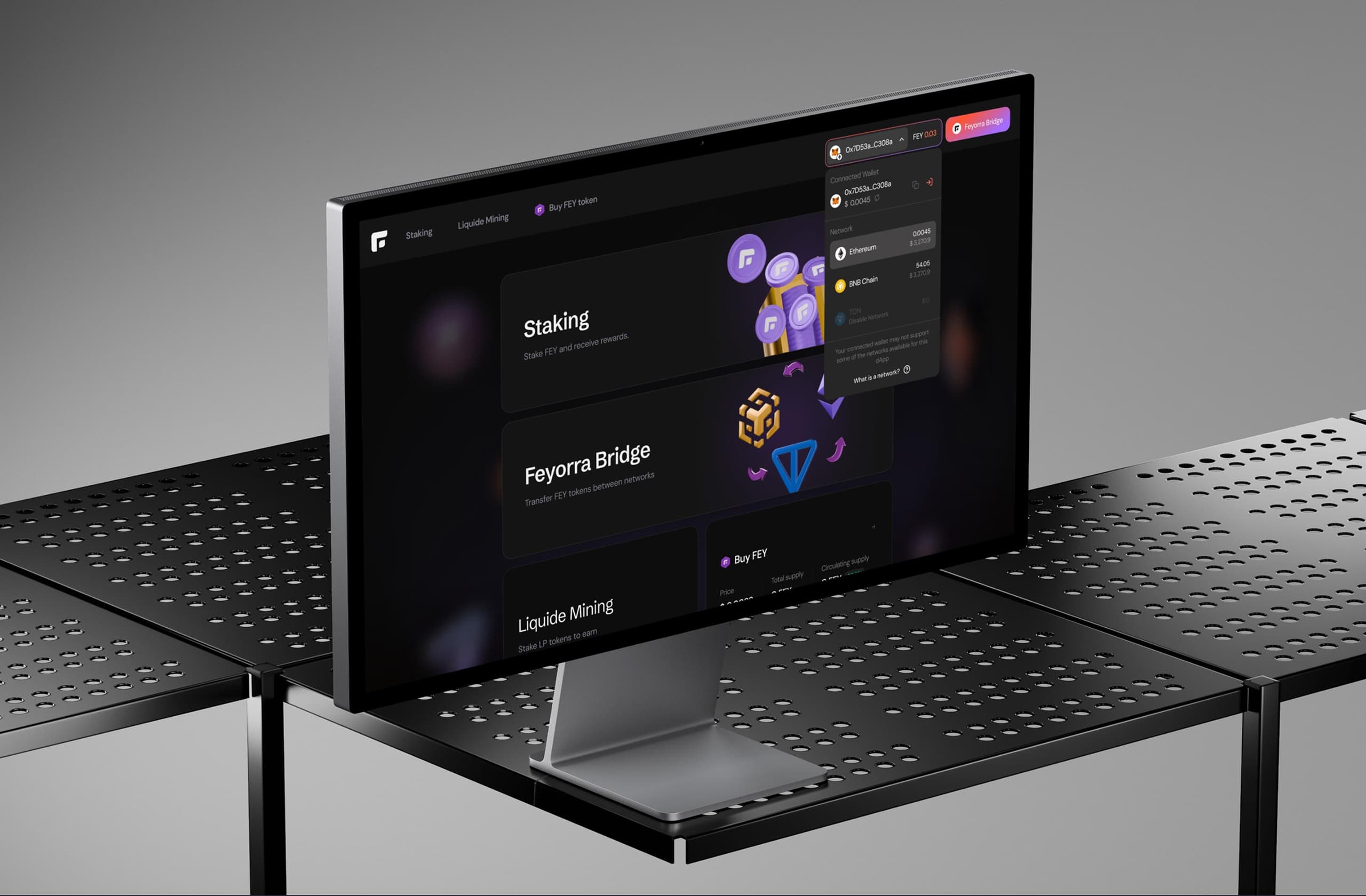
feyorra — dApp
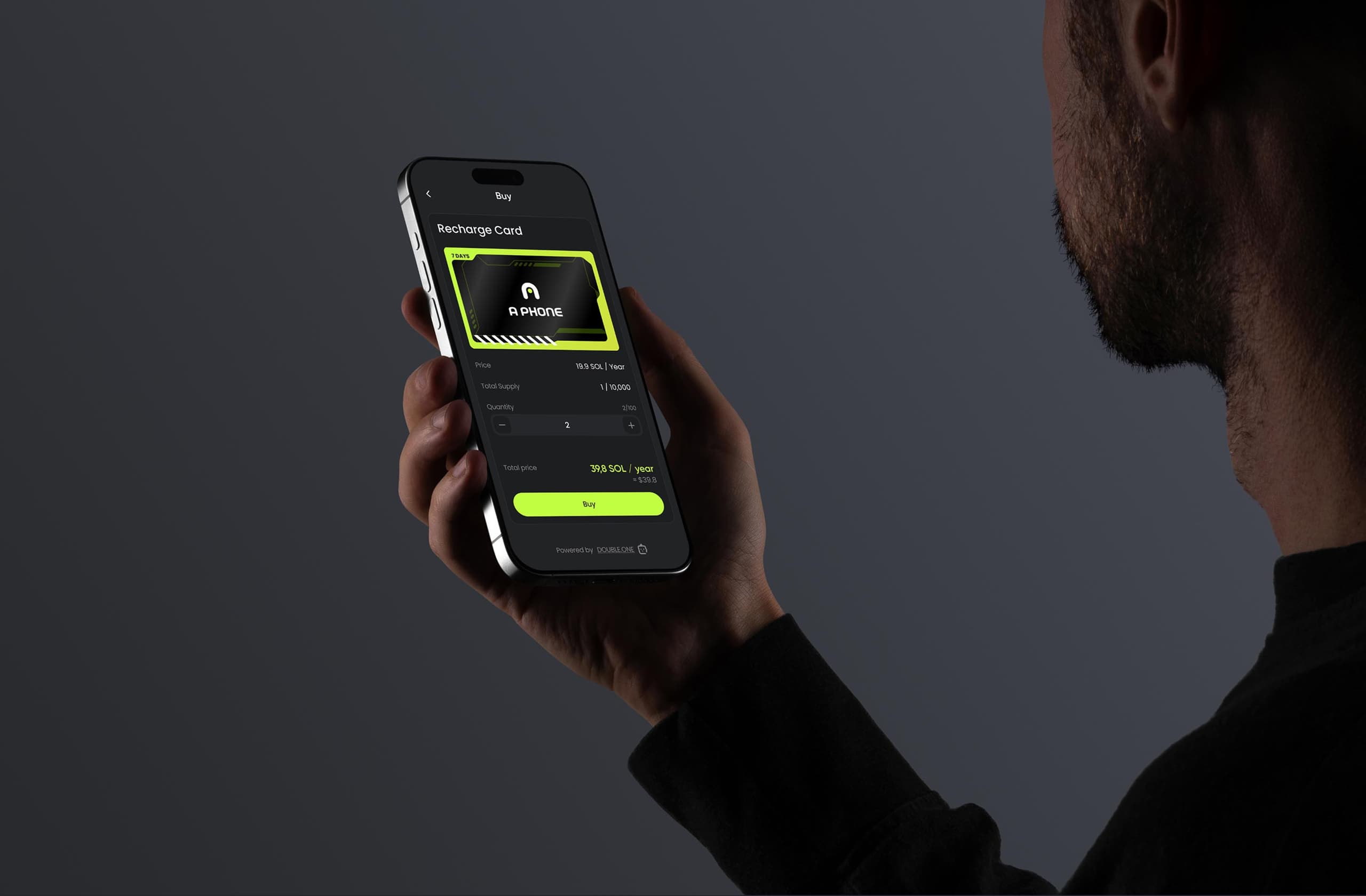
aphone — cloud-phone
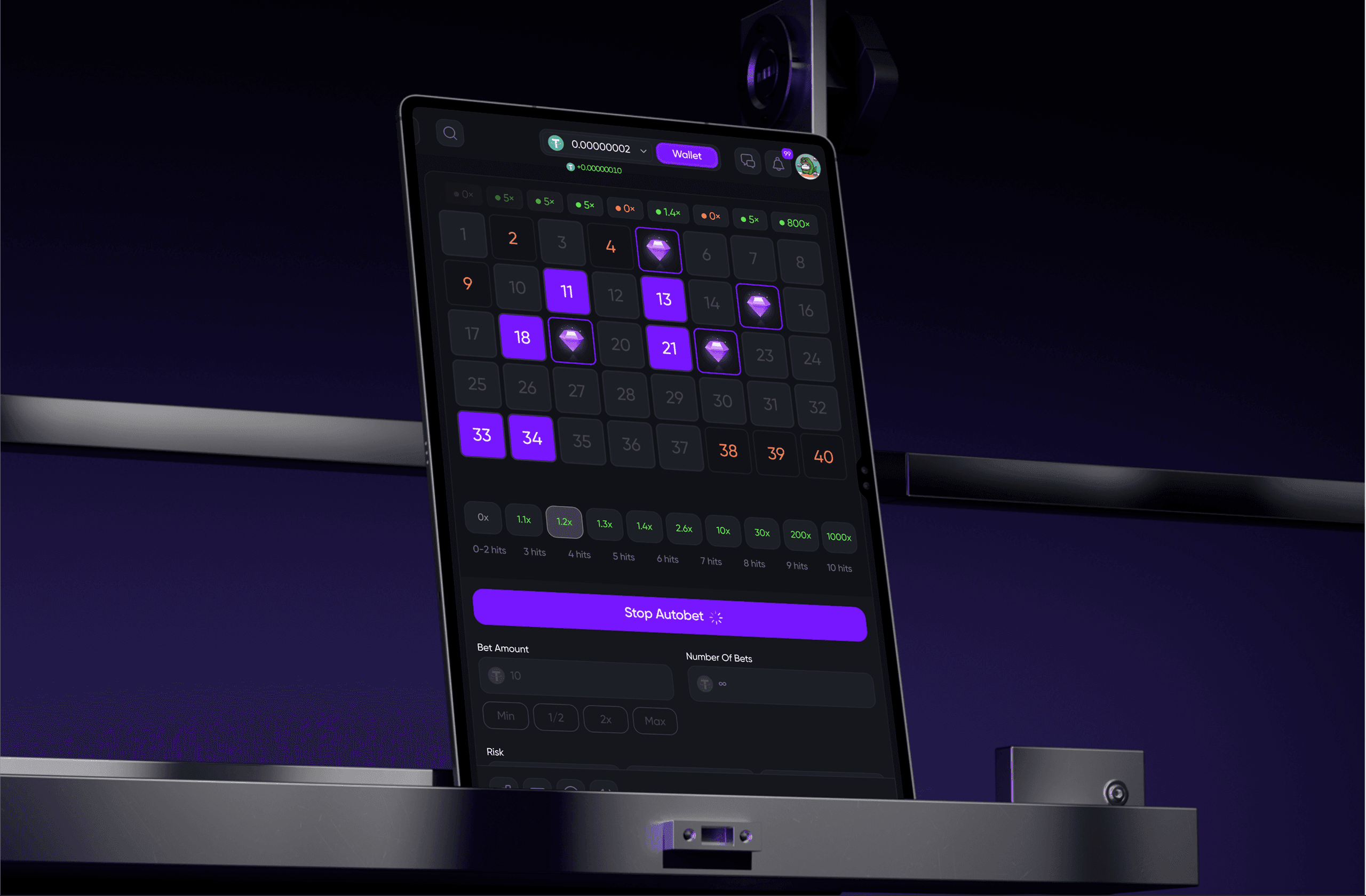
kaspa — De-Fi Platform

/Clients/

Client

Froggik

"DESH Team maintained effective communication throughout the project."

Thanks to DESH Team's work, the client saw increased product recognition within the cryptocurrency community. The team managed the...

Viktoriia Bernatska

Co-Founder

ChainCrafters

"I liked their corporate policy and how they turned to customers and their wishes."

DESH Team delivered the project on time, effectively improving the site's UX and flow. The team took the time to understand the cl...

Kolya Vovkun

CEO, Founder

Dropshipping

"I really like how they treat their clients."

DESH Team successfully completed all deliverables; the branding was a great fit for the client's company, and the website was done...

Tetyana Yarchak

CEO

/FAQ/

FAQ’s

Either. If you already have a design system or Figma files, we build against them and flag the places where the design assumes a state the chain can't deliver. If you don't, our design team covers the product flows first — that path runs through our dApp design service and hands off directly into development.

The standard set through Wagmi and WalletConnect — MetaMask, Rabby, Coinbase Wallet, Ledger, Trezor and mobile wallets — plus smart accounts where the product uses account abstraction. Support means tested behaviour on network switching, rejected signatures and session drops, not just an entry in a connector list.

By showing them. The interface tracks a transaction from simulation through broadcast, pending, replacement and finality, so a user with a stuck nonce sees that fact and gets an action — speed up, cancel, or wait — rather than an indefinite spinner.

Yes. We start by mapping the current state handling and the integration points, because that is where inherited dApps usually hurt. From there we scope the work in shippable slices, so improvements go live continuously instead of waiting on a full rewrite.

A focused interface over existing contracts is typically 4 to 8 weeks. A full product with multi-chain support, an indexing layer and a design system behind it runs 3 to 5 months. Scoping happens first, so you have a realistic timeline before production starts.

left
right
cta background
Ready to ship a dApp, users actually trust?
Let's map your transaction flows and the states they can land in — then build an interface that stays honest when the network isn't