Dash

Agents That Do The Work

We build agents that take a goal, call your tools and finish the task — with the permissions, retries and audit trail that let you point them at production
4 years
Shipping production software through bear and bull cycles
500K+
Users onboarded through the products we've engineered
50+
Projects scaled from early MVPs to live products

/Why DESH for AI Agents/

Built For The Two Hundredth Run
Why agent demos work once and production agents need engineering
Written down and signed off first
Permissions Before Prompts

We define what the agent may decide alone and what it must escalate before any implementation starts

That document is what your security team reads, and it is what stops scope creep when someone asks whether the agent could also issue refunds

Tools are typed and scoped, so the model cannot invent an endpoint it was never given

Retry, resume, roll back, escalate
Failure Is Designed

Long tasks break into steps that checkpoint, so a timeout resumes rather than restarting a payment

Anything the agent cannot resolve stops and asks — an agent that stops and asks is working correctly

Most of the engineering in these projects goes here, not into the prompt

Scored on every release
Quality Is A Number

Every change runs against an evaluation set built from your real tasks

When someone edits a prompt and the score drops, we see it before your users do

You keep the harness at handover, so your team can extend it without us

/What We Build/

The Agent Stack, End To End
Everything between a goal and a completed task in your own systems, including the parts nobody demos
01
Task & Permission Design
The decision boundary mapped and agreed before code: what the agent decides alone, what it escalates, what it must never touch.
02
Tool Integration
Your APIs, databases and internal services exposed as typed tools with scoped credentials and validated arguments.
03
Multi-Step Execution
Planning, checkpointing, retries and rollback, so a task resumes where it stopped instead of starting over.
04
Guardrails
Input validation, schema-checked outputs and hard caps on spend, steps and side effects, all configurable without a deploy.
05
Evaluation Harness
A scored task set drawn from real work, run automatically on every change and handed over with the code.
06
Audit & Observability
Every action logged with inputs, reasoning and model version, so you can answer why something happened in March.

/Where we step in/

Building and hardening agents at every stage, from a first workflow to a fleet with shared standards
card image
For a first agent
  • Workflow and permission mapping
  • Typed tool layer over your APIs
  • Evaluation set from real tasks
  • Guarded rollout with human approval
First agent,
one workflow,
guarded launch
card image
For prototypes that stall
  • Retries, checkpointing and rollback
  • Open tool access replaced with typed tools
  • Cost per task measured and capped
  • Regressions caught before release
Working demo,
fails at scale,
hardening
card image
For a fleet of agents
  • Shared permission and logging standard
  • Common evaluation infrastructure
  • Platform layer for new agents
  • Handover with runbooks
Several agents,
no standard,
platform work

/Cases/

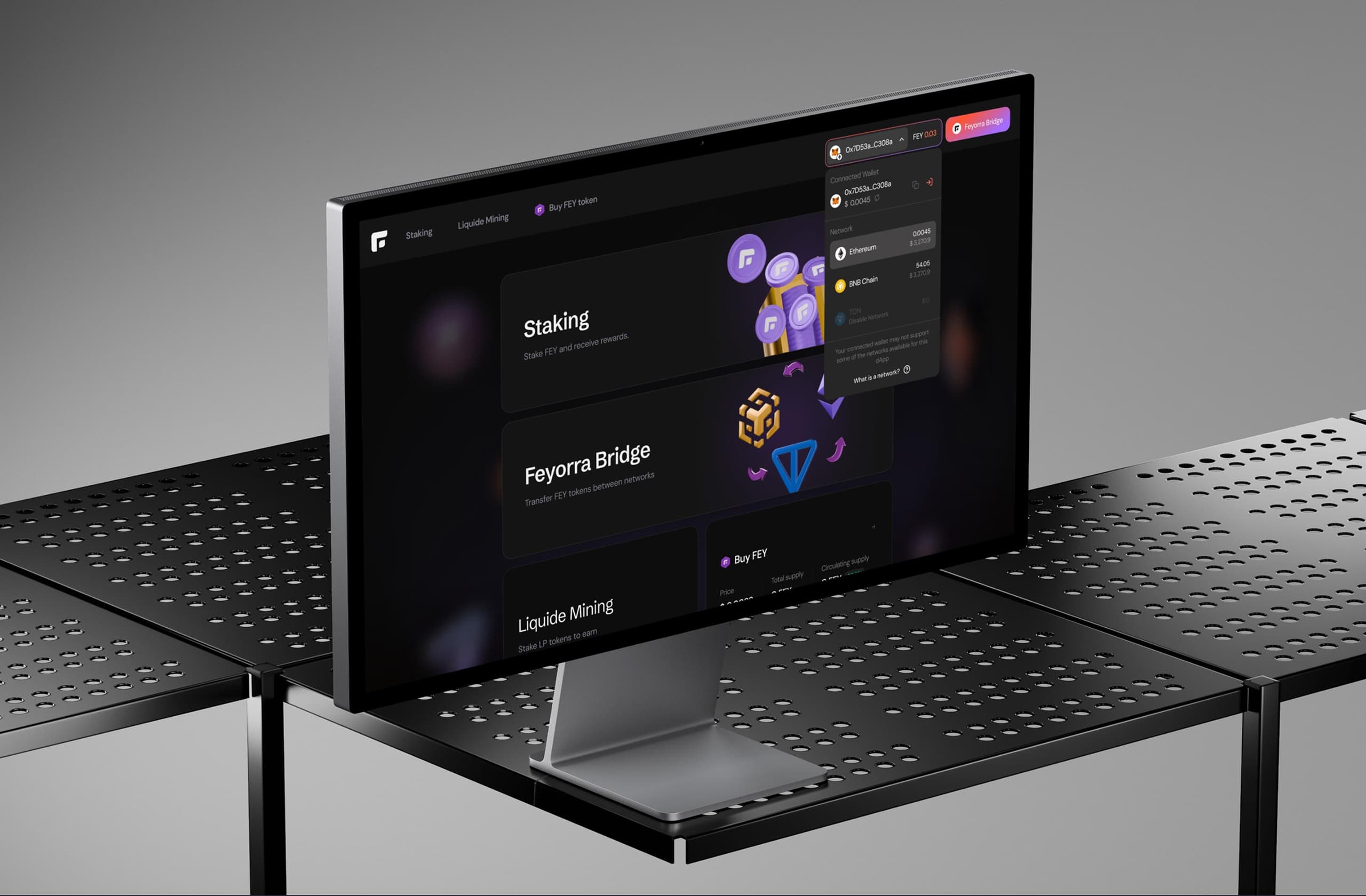
feyorra — dApp
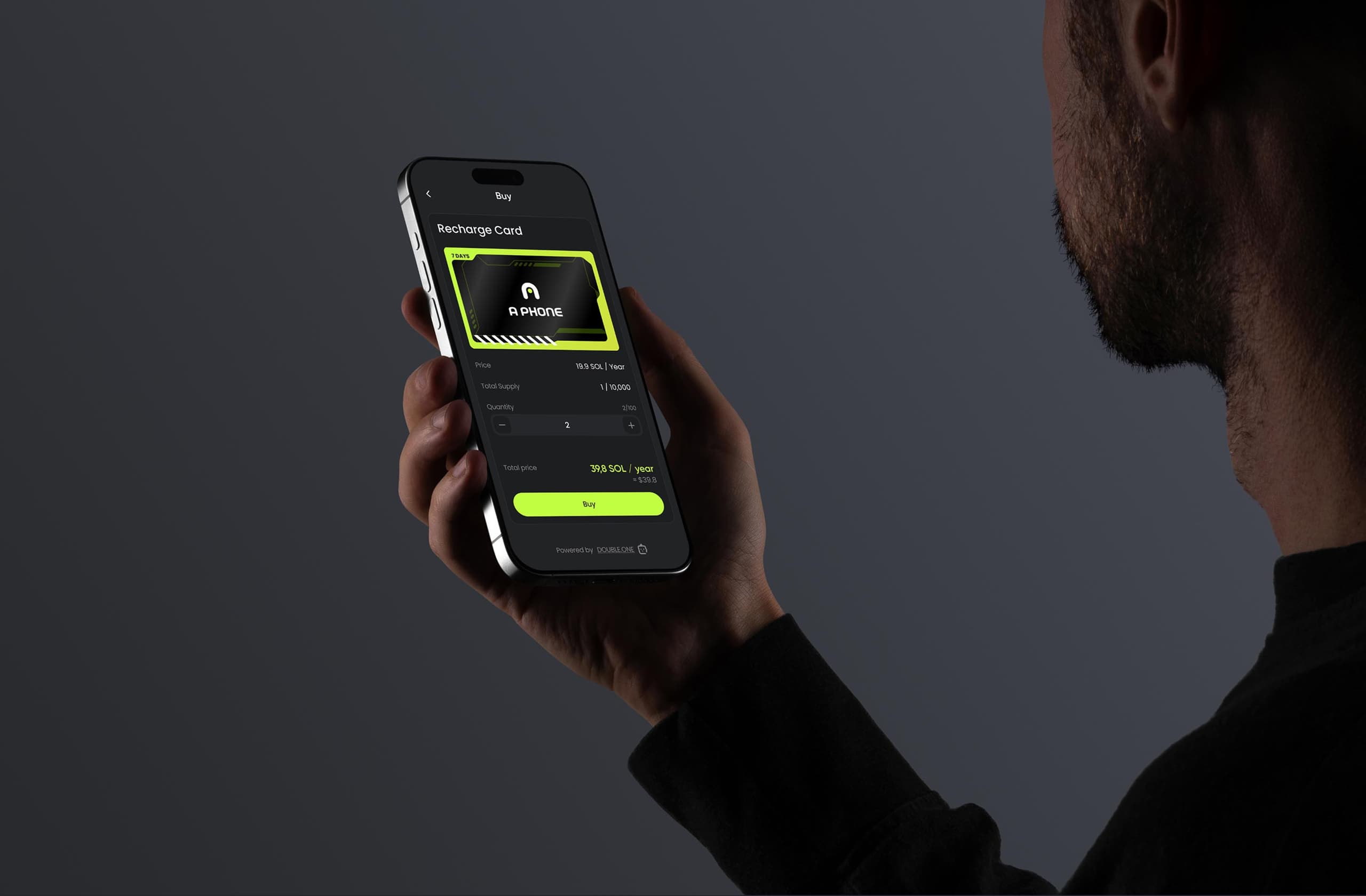
aphone — cloud-phone
kaspa — De-Fi Platform

/Clients/

Client

Froggik

"DESH Team maintained effective communication throughout the project."

Thanks to DESH Team's work, the client saw increased product recognition within the cryptocurrency community. The team managed the...

Viktoriia Bernatska

Co-Founder

ChainCrafters

"I liked their corporate policy and how they turned to customers and their wishes."

DESH Team delivered the project on time, effectively improving the site's UX and flow. The team took the time to understand the cl...

Kolya Vovkun

CEO, Founder

Dropshipping

"I really like how they treat their clients."

DESH Team successfully completed all deliverables; the branding was a great fit for the client's company, and the website was done...

Tetyana Yarchak

CEO

/FAQ/

FAQ’s

A chatbot answers. An agent acts: it calls your systems, changes state and finishes a task. That difference lives in engineering rather than in the model — permissions, retries, validation and audit are what separate the two, and they are most of the work.

Yes, with scoped credentials, a typed tool layer and hard limits on side effects. High-impact actions go through human approval until the evaluation data justifies removing the step, and that decision is yours to make with numbers in front of you.

Bounded tools rather than open-ended access, validation on inputs and outputs, spend and step caps, and an evaluation set that catches regressions before release. The escalation path is defined first, so stopping and asking is designed behaviour rather than a failure.

Whichever wins on your evaluation set. We build model-agnostic, so switching is a configuration change. In practice we route routine steps to a cheaper model and the hard ones to a stronger one, which cuts cost without a difference users can detect.

Source code, the tool definitions, the evaluation harness with its task set, deployment configuration and a runbook. Your team can add tools and extend the agent without us. That is the intended outcome.

left
right
cta background
Ready to ship an agent, you can point at production?
Let's map the workflow and the decision boundary first, then build the tools, guardrails and evaluation set that make it safe to run unattended