Dash

Blockchain Development Across The Whole Stack

Contracts, indexing, backend services and infrastructure built as one system — so your product stays consistent whether the chain is calm or congested
300+
Smart contracts deployed to mainnet across EVM chains and L2s
$250M+ TVL
Running through the protocols and infrastructure we've engineered
4 years
Shipping reliable code through bear and bull cycles

/Why DESH for Blockchain Development/

One System, Not Four Vendors
Why onchain products break in the seams, and what we do about it
Every layer derives from the same history
Events Are The Source Of Truth

When the contract, the indexer and the frontend each keep their own version of state, users see numbers that don't match their wallet

We treat contract events as the only source of truth and derive everything above them from the same indexed history

New features then extend the data layer instead of re-deriving it a slightly different way

Designed for, not patched around
Reorgs And RPC Failures Are Expected

Indexers track finality and roll back cleanly instead of accumulating bad state after a reorg

RPC access runs through redundant providers with failover, so a provider incident degrades the product rather than taking it down

So a provider incident looks like slower data to your users rather than a broken product

The failures live between the layers
We Own The Seams

Teams that split contracts, backend and frontend across vendors usually spend the savings debugging the interfaces between them

We take the whole path from contract event to rendered pixel, so there is one team accountable when something disagrees

Where you already have engineers, we own the onchain and data layers and hand your team a documented interface

/What We Build/

The Full Onchain Stack
Onchain logic, the data layer that reads it, and the services and infrastructure that keep both online
01
Smart Contract Layer
Contract architecture and implementation, with multi-chain and L2 deployment planned as part of the design rather than a flag.
02
Indexing & Subgraphs
The Graph and custom indexers with event-sourced state reconstruction and clean reorg handling.
03
APIs & Backend
Node.js and NestJS services, GraphQL and REST over indexed data, and hybrid Web2/Web3 database architecture.
04
Bridges & Interop
Cross-chain messaging, bridge integration and account abstraction, including gas sponsorship where the product needs it.
05
Infrastructure
Redundant RPC and node infrastructure, CI/CD pipelines and zero-downtime deployment.
06
Observability & Ops
Metrics, tracing and onchain alerting, plus incident response and ongoing technical maintenance after launch.

/Where we step in/

Engineering the full onchain stack at every stage of the product lifecycle
card image
For early-stage products
  • System architecture & chain selection
  • Core contracts and first data layer
  • Wallet connection & onboarding
  • Testnet to mainnet rollout
Idea-stage,
first build,
MVP
card image
For scaling products
  • Indexing and API performance work
  • Gas optimisation & refactoring
  • Third-party and protocol integrations
  • Cross-chain expansion
Live product,
scaling,
integrations
card image
For ecosystem players
  • Custom onchain architecture
  • Governance & DAO tooling
  • Web3 DevOps & CI/CD pipelines
  • Ongoing maintenance & support
DAOs,
mature ecosystems,
institutional platforms

/Cases/

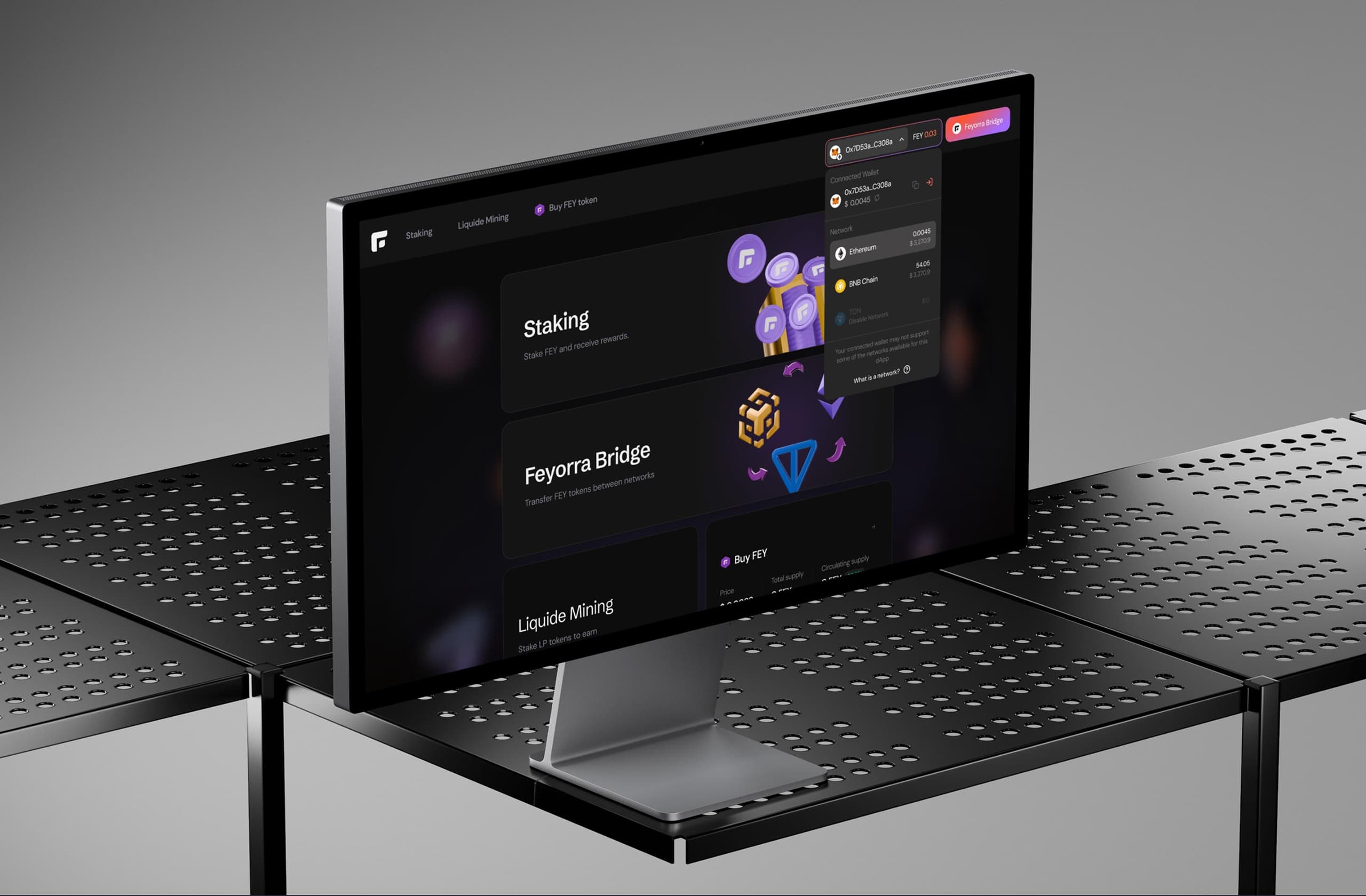
feyorra — dApp
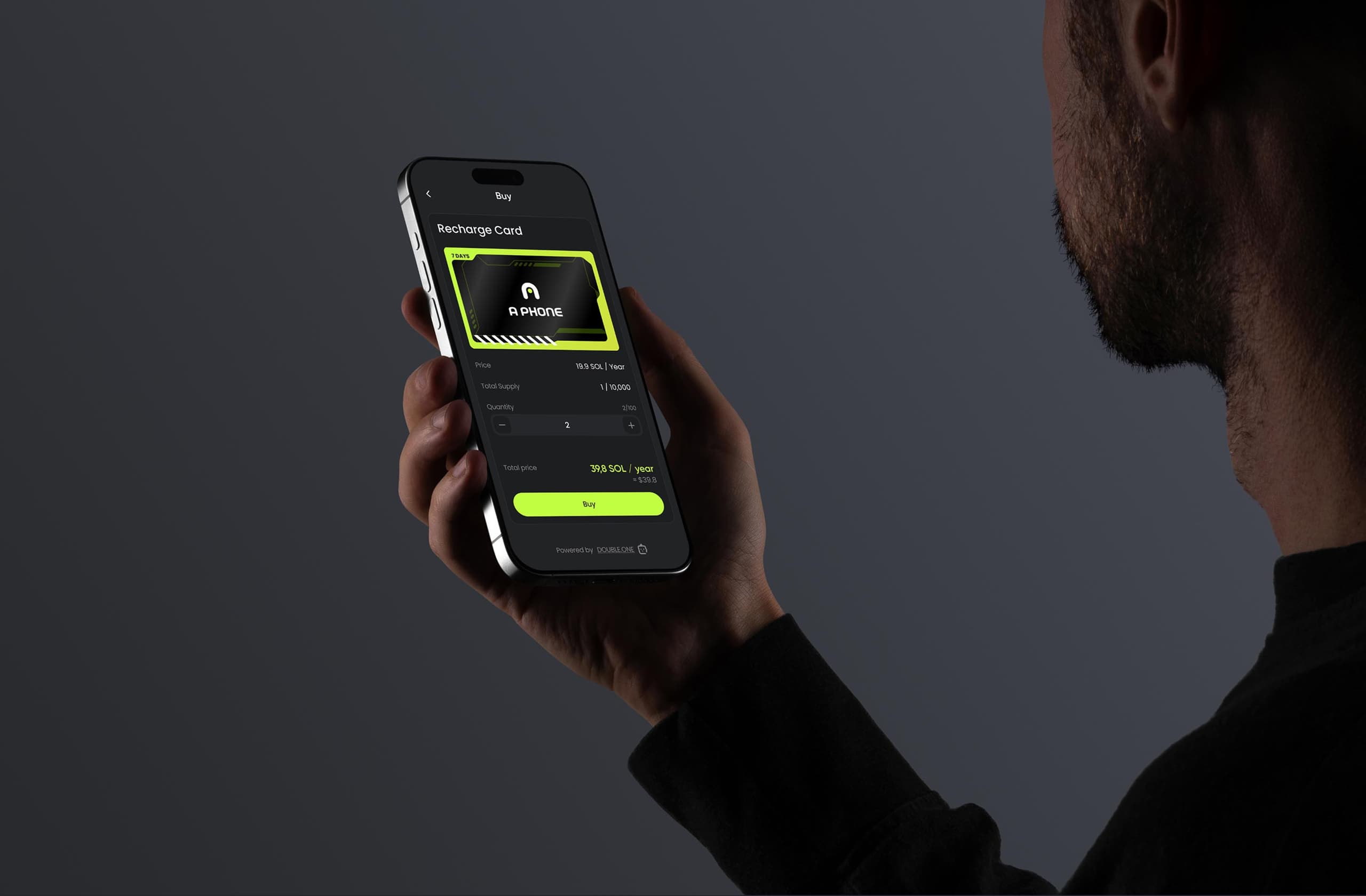
aphone — cloud-phone
kaspa — De-Fi Platform

/Clients/

Client

Froggik

"DESH Team maintained effective communication throughout the project."

Thanks to DESH Team's work, the client saw increased product recognition within the cryptocurrency community. The team managed the...

Viktoriia Bernatska

Co-Founder

ChainCrafters

"I liked their corporate policy and how they turned to customers and their wishes."

DESH Team delivered the project on time, effectively improving the site's UX and flow. The team took the time to understand the cl...

Kolya Vovkun

CEO, Founder

Dropshipping

"I really like how they treat their clients."

DESH Team successfully completed all deliverables; the branding was a great fit for the client's company, and the website was done...

Tetyana Yarchak

CEO

/FAQ/

FAQ’s

For us, everything between the contract and the user. That is the onchain logic, the indexing layer that turns events into queryable state, the backend services around it, the frontend that renders it, and the infrastructure that keeps all of it online. Teams that split those across vendors usually spend the savings debugging the seams.

Regularly. The usual shape is that we own the onchain and data layers while your team owns the product surface, with a shared interface contract between them. We work in your repo, your review process and your deployment pipeline rather than asking you to adopt ours.

Ethereum mainnet and the major EVM L2s — Arbitrum, Base, Optimism, Polygon — are routine, alongside BNB Chain and Solana. Chain choice affects gas assumptions, oracle availability, finality handling and bridge risk, so we settle it during architecture rather than treating it as a deployment flag.

As expected conditions, not exceptions. Indexers track finality and roll back cleanly on reorgs instead of accumulating bad state. RPC access runs through redundant providers with failover, and the frontend distinguishes pending, replaced and reverted transactions so users are told the truth about what happened.

Yes, and it starts with a read rather than a rewrite. We map what is deployed, what is tested and what is undocumented, then come back with a plan that separates what must change for safety from what can be improved over time. Rewrites are a last resort, not an opening move.

left
right
cta background
Ready to build onchain, as one system?
Let's map your stack end to end — contracts, indexing, backend and infrastructure — and scope what it takes to make it hold at real volume