Dash

AI That Reaches Production

We build AI agents, assistants and automation for teams that need the thing to work on the two hundredth run — with evaluation, guardrails and a cost per request you control
4 years
Shipping production software through bear and bull cycles
500K+
Users onboarded through the products we've engineered
50+
Projects scaled from early MVPs to live products

/Why DESH for AI/

Built For The Two Hundredth Run
Why most AI projects demo well and never reach production
Quality as a number, not a feeling
Evaluation Before Opinions

A demo that worked once tells you nothing about what happens on real traffic with real edge cases

We build a scored evaluation set in the first weeks, so every change to a prompt, a model or a retrieval setting shows up as a number that moved

Teams without one are shipping on instinct and usually find out from a customer
Scoped permissions and hard limits
Guardrails, Not Hope

Anything that touches your systems runs through typed tools with narrow permissions and caps on spend, steps and side effects

Failures retry and resume rather than half-writing a record, and anything unresolved stops and asks

That is what makes it defensible to point at production rather than at a sandbox

Measured per request, capped per tenant
Cost You Can Model

Most AI features die on unit economics rather than on quality

We instrument where tokens actually go, then cut with caching, routing and context trimming

You get budgets, dashboards and a number you can put in a business case before the invoice arrives

/What Production-Grade AI Actually Solves/

The Cost of a Demo and the Value of a System
Almost every AI project produces something impressive within a fortnight. The gap that decides whether it reaches users is everything after that: what happens on the two hundredth run, what it costs at ten thousand of them, and how anyone knows the last change made it better
AI That Stays A Demo
  • It worked in the review, so nobody built an evaluation set, and quality is now a matter of opinion.
  • The model has open access to internal tools, which is exactly why it cannot be pointed at production.
  • Cost per request was never measured, and the first real month of usage makes the feature unviable.
  • A prompt gets edited, something regresses, and a customer finds it before the team does.
  • No Evaluation
  • Unsafe Access
  • Unknown Cost
AI That Reaches Users
  • A scored evaluation set runs on every change, so quality is a number you can watch rather than defend.
  • Tools are typed and scoped, with hard caps on spend and side effects, so production access is defensible.
  • Token spend is instrumented, then cut with caching and routing, and capped per tenant.
  • Failures retry, resume or stop and ask, instead of half-writing a record and moving on.
chart
  • Scored Quality
  • Scoped Access
  • Capped Cost

/Where we step in/

Delivering AI at every stage, from a first feature inside a live product to a system your own team operates
card image
For first AI projects
  • Feasibility and data readiness check
  • First feature scoped and shipped
  • Evaluation set built from real tasks
  • Cost modelled before you commit
Idea-stage,
first feature,
feasibility
card image
For prototypes that stalled
  • Quality regressions traced and fixed
  • Cost per request cut with caching and routing
  • Guardrails and typed outputs added
  • Path from notebook to production
Working demo,
no production,
unit economics
card image
For AI already in production
  • Monitoring, drift detection and rollback
  • Retraining pipelines with evaluation gates
  • New capabilities on existing infrastructure
  • Handover with runbooks to your team
Live systems,
monitoring,
scale-up

/Scope/

The full AI scope, from the first feature inside an existing product to a system your own team operates. Twelve services, grouped by what they do rather than by which model is underneath.
  • AI agents that call your APIs and finish multi-step tasks
  • Support and sales chatbots grounded in your own content
  • Voice agents for inbound calls, qualification and booking
  • LLM features inside an existing product, with streaming and fallbacks
  • RAG systems with hybrid search, permissions and citations
  • Custom models: fine-tuning and distillation where they pay
  • Business process automation for intake, routing and approvals
  • Document processing for invoices, contracts and forms
  • Computer vision for detection, inspection and monitoring
  • Predictive analytics for demand, churn and risk
  • Recommendation and personalisation engines
  • MLOps: serving, monitoring, versioning and retraining

/Cases/

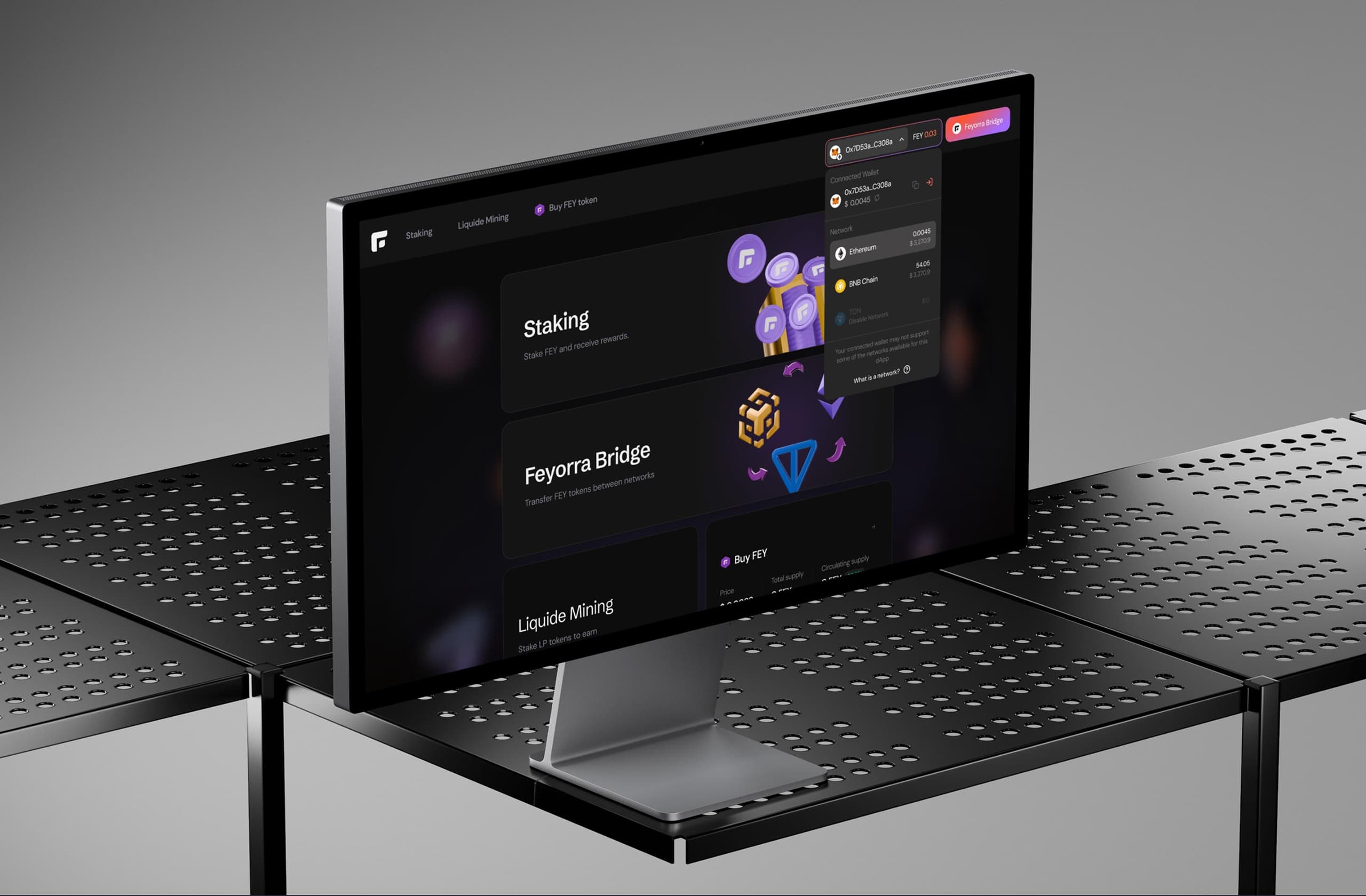
feyorra — dApp
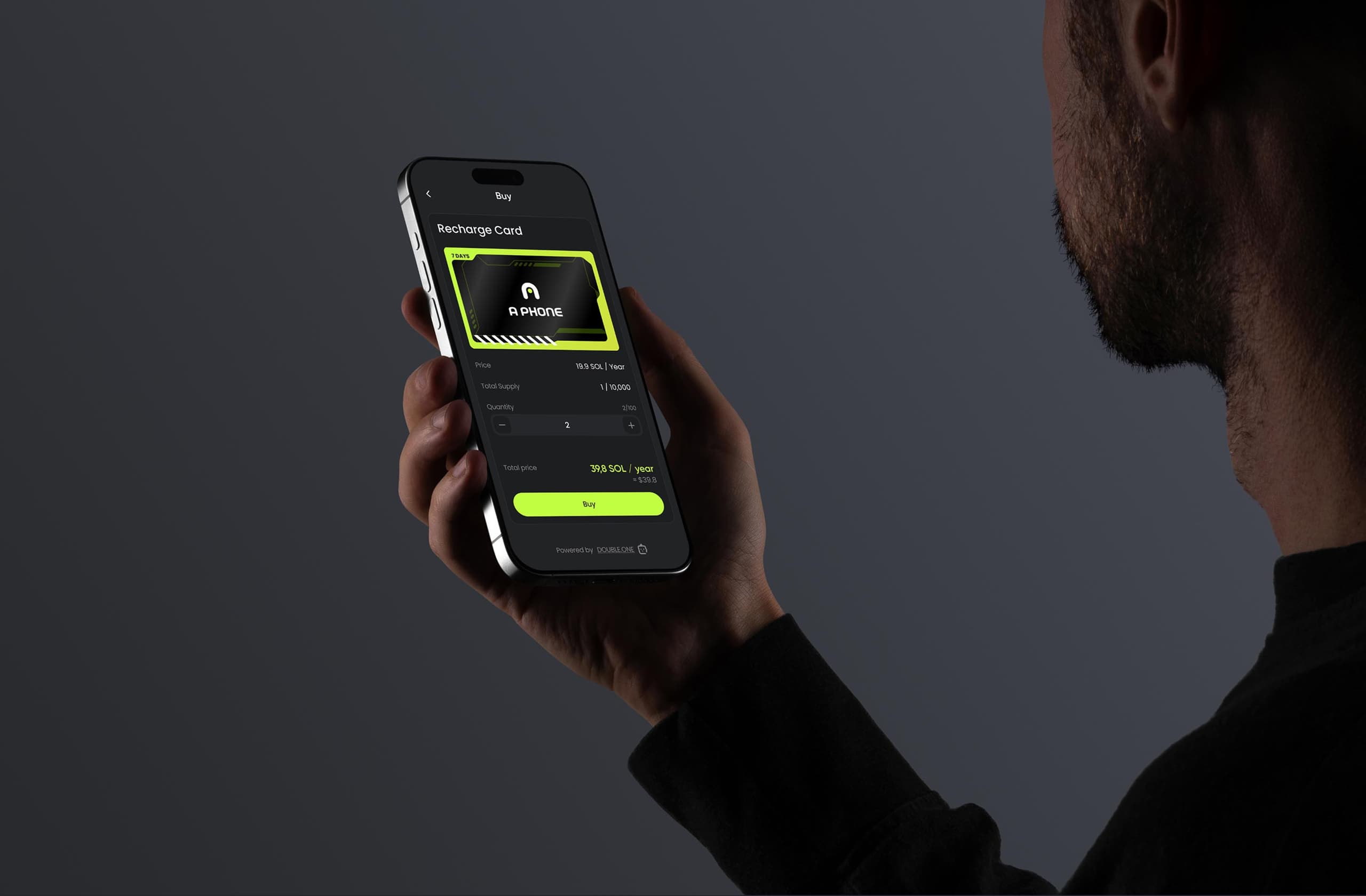
aphone — cloud-phone
kaspa — De-Fi Platform

/Clients/

Client

Froggik

"DESH Team maintained effective communication throughout the project."

Thanks to DESH Team's work, the client saw increased product recognition within the cryptocurrency community. The team managed the...

Viktoriia Bernatska

Co-Founder

ChainCrafters

"I liked their corporate policy and how they turned to customers and their wishes."

DESH Team delivered the project on time, effectively improving the site's UX and flow. The team took the time to understand the cl...

Kolya Vovkun

CEO, Founder

Dropshipping

"I really like how they treat their clients."

DESH Team successfully completed all deliverables; the branding was a great fit for the client's company, and the website was done...

Tetyana Yarchak

CEO

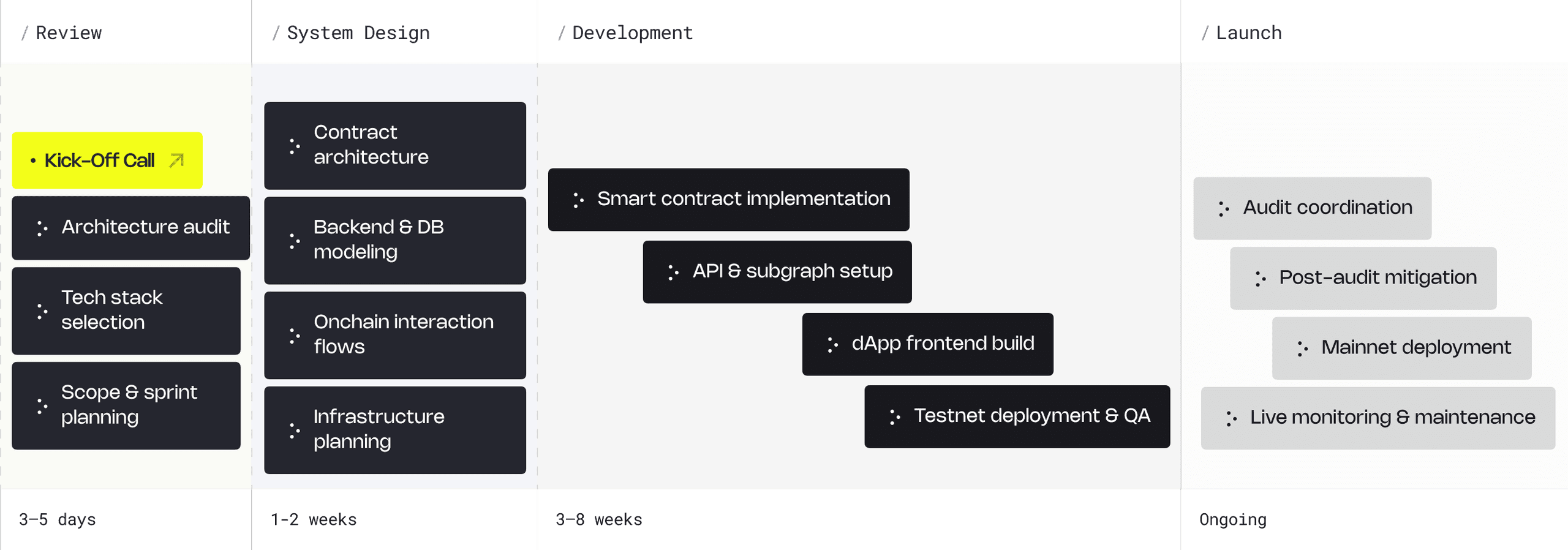
/OUR PROCESS/

Kick-Off CallTiltedIcon
ButtonDotsThin
Use Case Sync
ButtonDotsThin
Data Readiness Check
ButtonDotsThin
Scope & Cost Estimation
ButtonDotsThin
Evaluation Set
ButtonDotsThin
Architecture & Guardrails
ButtonDotsThin
Model Selection
ButtonDotsThin
Implementation
ButtonDotsThin
Scored Iterations
ButtonDotsThin
Integration
ButtonDotsThin
Cost Optimisation
ButtonDotsThin
Production Rollout
ButtonDotsThin
Monitoring & Drift
ButtonDotsThin
Retraining & Handover
Let's define your scope

/FAQ/

FAQ’s

Both, and the second is more common. Adding a feature to a live product means working inside your codebase, your review process and your deployment pipeline, which is usually the faster path to something users touch. Building from scratch starts with feasibility and a data readiness check, because that is where these projects most often turn out to be impossible.

Whichever wins on your evaluation set at your price point. We build model-agnostic so switching is a configuration change, because the ranking between providers has moved several times a year since 2023. In practice we route routine steps to a cheaper model and the hard ones to a stronger one, which cuts cost noticeably without a quality change users can detect.

Yes, with open-weight models, where data residency or volume justifies it. It is a real trade: you take on GPU capacity and operations in exchange for control and predictable cost. For regulated data it is often the only workable option, and we will model both before you decide.

Anything factual answers from retrieved content and cites what it used, and says so when retrieval returns nothing relevant. That behaviour is scored on an evaluation set built from your real questions, including ones we know it should refuse — so it is a number you can check rather than a claim in a proposal.

A focused feature inside an existing product typically ships in four to eight weeks, including the evaluation set. A full agent or retrieval system with integrations runs three to five months. Every engagement starts with scoping, so the timeline is realistic before production begins.

left
right
cta background
Ready to ship AI, that holds in production?
Let's check what your data can actually support, then scope the first thing worth building — with the evaluation and cost controls that keep it alive