Dash

LLM Features That Survive Traffic

We add language model features to existing products with the caching, fallbacks and typed outputs that keep them working and affordable at scale
4 years
Shipping production software through bear and bull cycles
500K+
Users onboarded through the products we've engineered
50+
Projects scaled from early MVPs to live products

/Why DESH for LLM Integration/

The Afternoon Is The Easy Part
Why prototypes ship in a day and features take considerably longer
Switching is a config change
Model Agnostic By Default

The ranking between providers has changed several times a year since 2023, and there is no reason to expect that to stop

We build so a provider swap is configuration rather than a rewrite

Anyone telling you one provider is permanently best is selling something

Usually a large reduction, not a marginal one
Cost Measured, Then Cut

We instrument where tokens actually go, which is rarely where teams assume

The wins are semantic caching, routing simple requests to cheaper models, and trimming context that was never load-bearing

You get budgets and dashboards, so spend is visible before the invoice arrives

Typed schemas with validation and retry
Outputs That Parse

Free text your code has to guess at is a whole category of production bugs

Responses are schema-checked and retried on mismatch, so downstream code receives data

It is the single change that most reduces incident volume on these features

/What We Build/

Everything Between Prompt And Production
The unglamorous layer that turns a working prototype into a feature you can leave running
01
Feature Design
What the model owns, what it must never touch, and what the fallback is when it fails. Agreed before implementation.
02
Prompt Architecture
Versioned, structured prompts with typed outputs and validation, kept under code review rather than in a spreadsheet.
03
Streaming Interfaces
Token streaming, partial rendering and cancellation, so latency reads as visible progress instead of a spinner.
04
Caching & Routing
Semantic caching and model routing tuned to your traffic, with hit rates monitored rather than assumed.
05
Fallbacks
Provider outages, rate limits and timeouts handled with graceful degradation and clear user messaging.
06
Cost Controls
Per user and per tenant budgets with dashboards, so unit economics are a number you can put in a business case.

/Where we step in/

Getting model features from prototype to production and keeping them affordable once they are there
card image
For first LLM features
  • Feature scoped with a fallback path
  • Typed outputs and validation
  • Streaming interface built in
  • Evaluation set from day one
First feature,
existing product,
scoping
card image
For prototypes that cannot ship
  • Provider timeouts and rate limits handled
  • Responses made parseable
  • Latency reworked around streaming
  • Load tested before rollout
Works locally,
fails on traffic,
hardening
card image
For features that cost too much
  • Token spend instrumented per path
  • Semantic caching introduced
  • Cheaper models routed where they win
  • Budgets capped per tenant
Live feature,
bad economics,
cost work

/Cases/

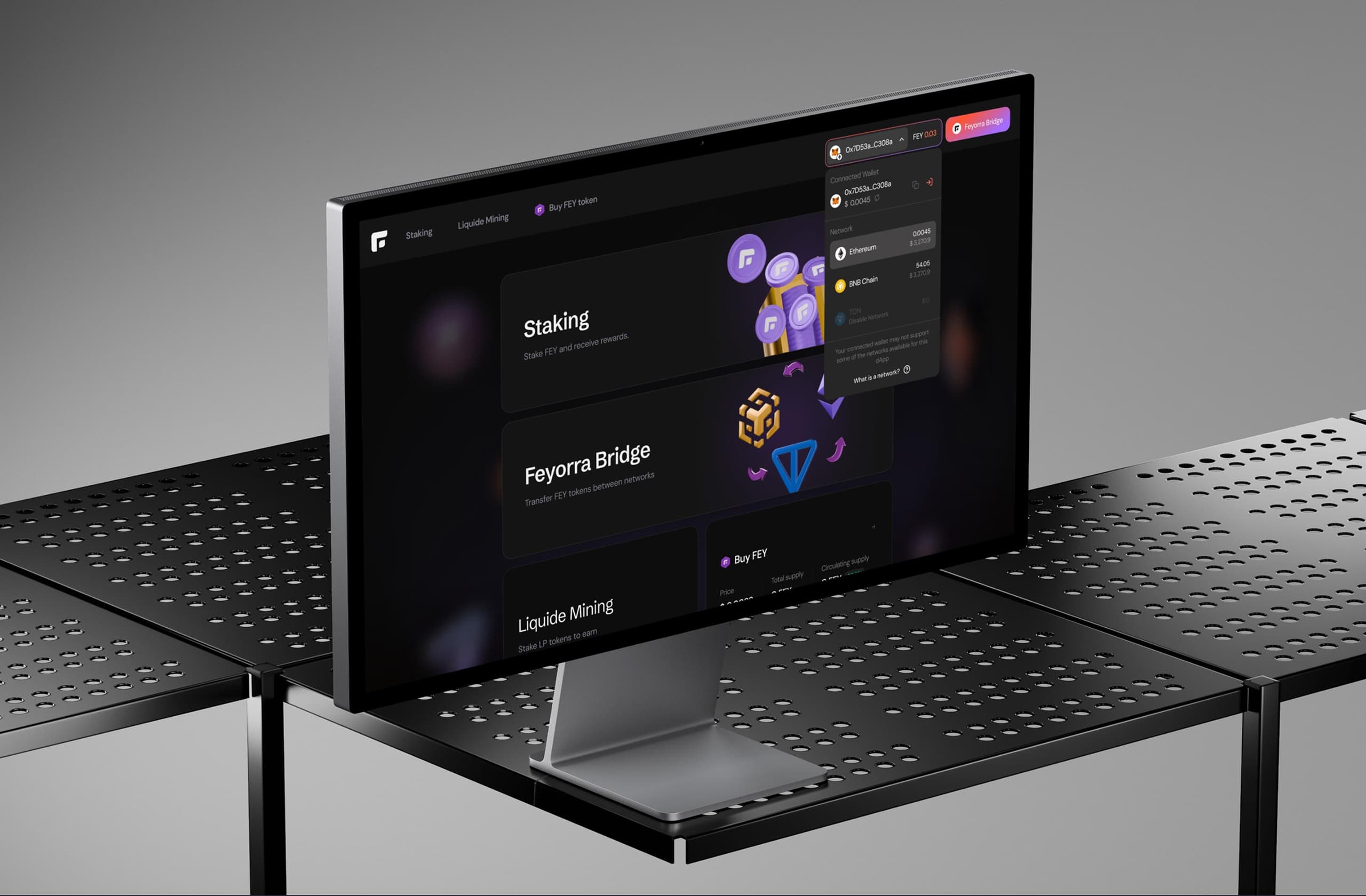
feyorra — dApp
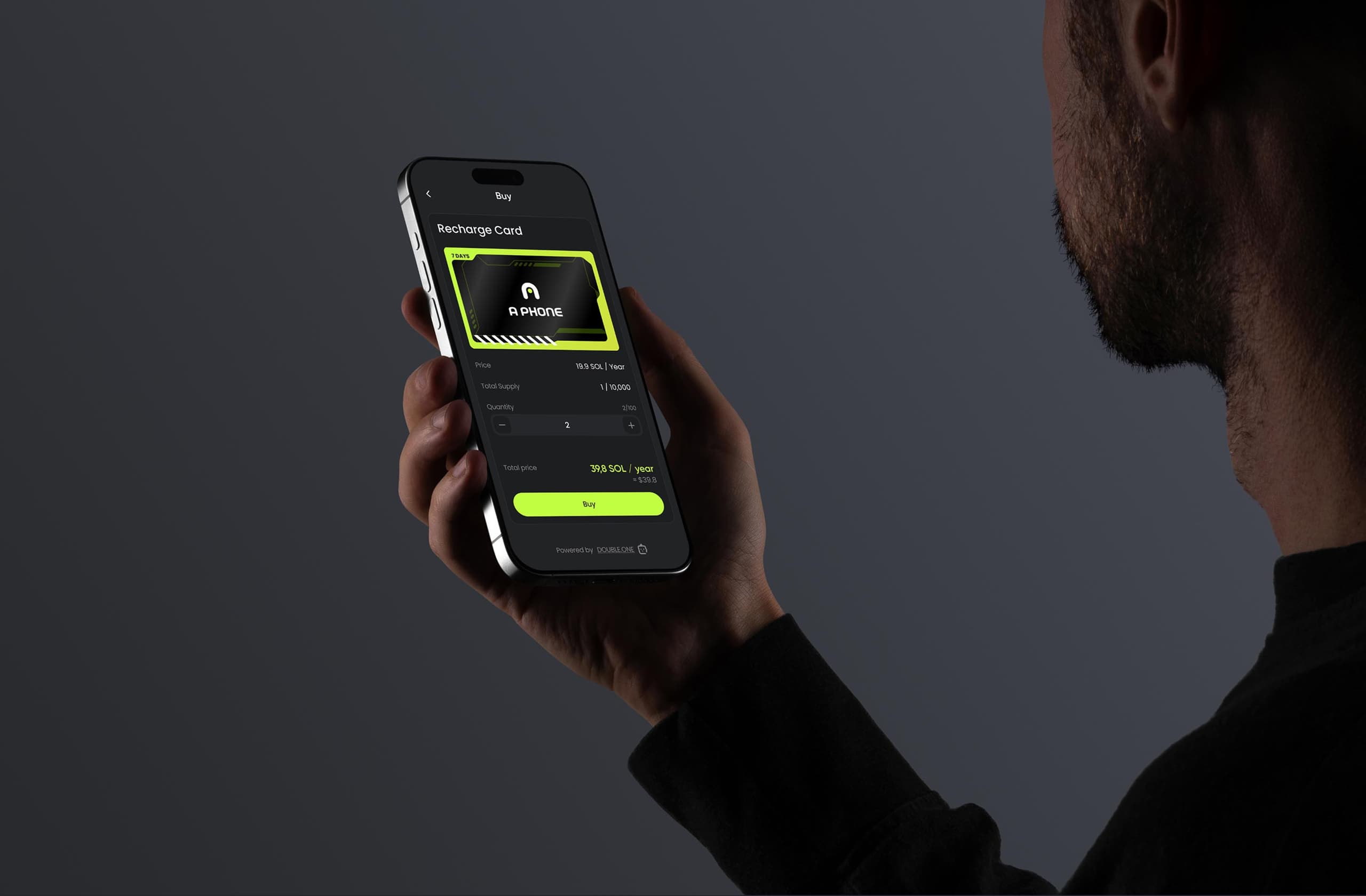
aphone — cloud-phone
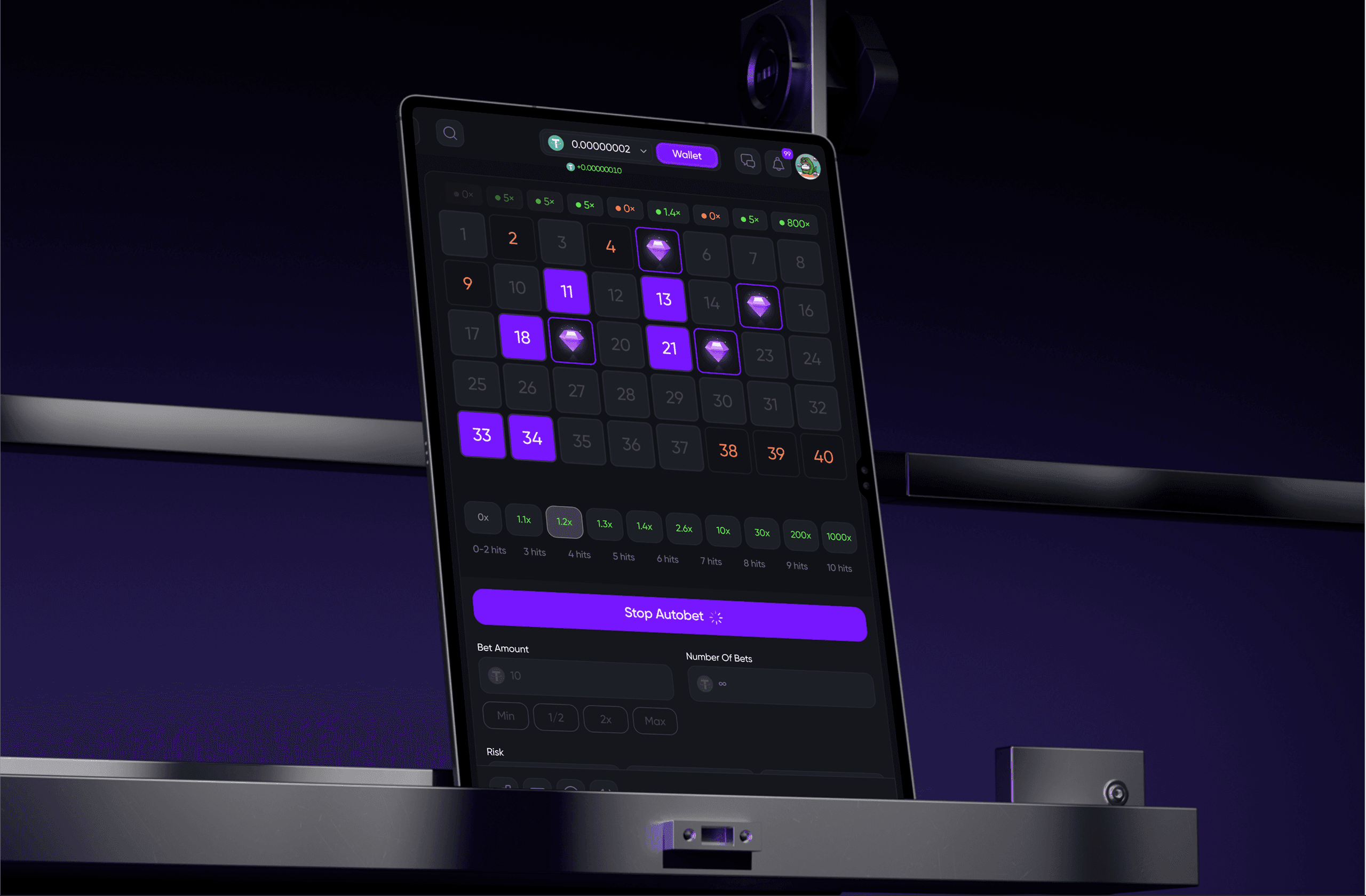
kaspa — De-Fi Platform

/Clients/

Client

Froggik

"DESH Team maintained effective communication throughout the project."

Thanks to DESH Team's work, the client saw increased product recognition within the cryptocurrency community. The team managed the...

Viktoriia Bernatska

Co-Founder

ChainCrafters

"I liked their corporate policy and how they turned to customers and their wishes."

DESH Team delivered the project on time, effectively improving the site's UX and flow. The team took the time to understand the cl...

Kolya Vovkun

CEO, Founder

Dropshipping

"I really like how they treat their clients."

DESH Team successfully completed all deliverables; the branding was a great fit for the client's company, and the website was done...

Tetyana Yarchak

CEO

/FAQ/

FAQ’s

Whichever wins on your evaluation set at your price point. We build so switching is cheap, because the answer keeps changing. Locking into one provider is a decision that ages badly.

Usually, and substantially. Semantic caching, routing simple requests to cheaper models, trimming context that was never load-bearing, and batching. We start by measuring where tokens go, and teams are routinely surprised by the answer.

Yes, with open-weight models, where data residency or volume justifies it. It is a real trade: you take on GPU capacity and operations in exchange for control and predictable cost. We model both before you decide.

An evaluation set that runs on every prompt or model change, with scores tracked over time. Without it, prompt edits are guesswork and regressions get discovered by customers.

Yes. We work in your repository, your review process and your deployment pipeline. The integration is a normal feature branch rather than a parallel system your team has to adopt.

left
right
cta background
Ready to ship a feature, not a prototype?
Let's scope what the model should own, then build it with the caching, fallbacks and cost caps that keep it alive after launch