Dash

Vision That Works In Real Conditions

Detection and inspection systems built for the light, cameras and dirt you actually have on site, running on the edge when the network cannot be relied on
4 years
Shipping production software through bear and bull cycles
500K+
Users onboarded through the products we've engineered
50+
Projects scaled from early MVPs to live products

/Why DESH for Computer Vision/

Camera Placement Beats Model Architecture
Which is why the first week involves a tape measure rather than a GPU
Resolution, placement, lighting, frame rate
We Look At The Cameras First

We have seen a fixture change and a light do more for accuracy than a month of training would have

Sometimes the recommendation is to spend a small amount on hardware instead of a large amount on model work

That conversation happens in week one rather than after a disappointing pilot
Anomaly detection, not a balanced dataset
Rare Defects Handled Properly

Your defects are rare, which is good for the business and bad for training a classifier

Anomaly detection learns what an acceptable unit looks like and flags deviation, needing far fewer defect examples

Augmentation and synthetic generation close most of the rest

It keeps working when the network does not
Edge By Default

Bandwidth, latency and privacy usually rule out streaming video off site

We size models for the hardware on site, so only events and metrics travel

Throughput is a design input from the start, not a limit discovered during commissioning

/What We Build/

Detection, Inspection, Monitoring
Models built around the data you can realistically collect and the hardware you can realistically run
01
Object Detection
Locating, counting and tracking objects in images and video, tuned to your cameras and conditions.
02
Quality Inspection
Defect detection at line speed, built around the reality that your defect examples are scarce.
03
Video Analytics
Occupancy, dwell time, queue length and safety events measured continuously from cameras you already have.
04
OCR In The Wild
Plates, labels, meters and serial numbers read from photos taken at bad angles in bad light.
05
Dataset & Labelling
Collection strategy, labelling, augmentation and the class imbalance planning most projects skip and then regret.
06
Edge Deployment
Models quantised for on-device inference, with an update path that does not require a site visit.

/Where we step in/

Replacing manual checking with continuous measurement, wherever a camera can see the thing
card image
For manual inspection
  • Camera and lighting assessment first
  • Anomaly detection where defects are rare
  • Held-out test set from your own footage
  • Full coverage instead of sampling
Checked by eye,
sampled,
first line
card image
For cameras already installed
  • Existing CCTV turned into live signals
  • Occupancy, queues and safety events
  • Edge deployment on site
  • Alerts rather than an archive nobody watches
CCTV in place,
unused footage,
analytics
card image
For field capture
  • Photos taken by staff or customers
  • Models trained on genuinely bad input
  • Confidence scores on every read
  • Retraining path as conditions change
Uncontrolled photos,
bad light,
robustness

/Cases/

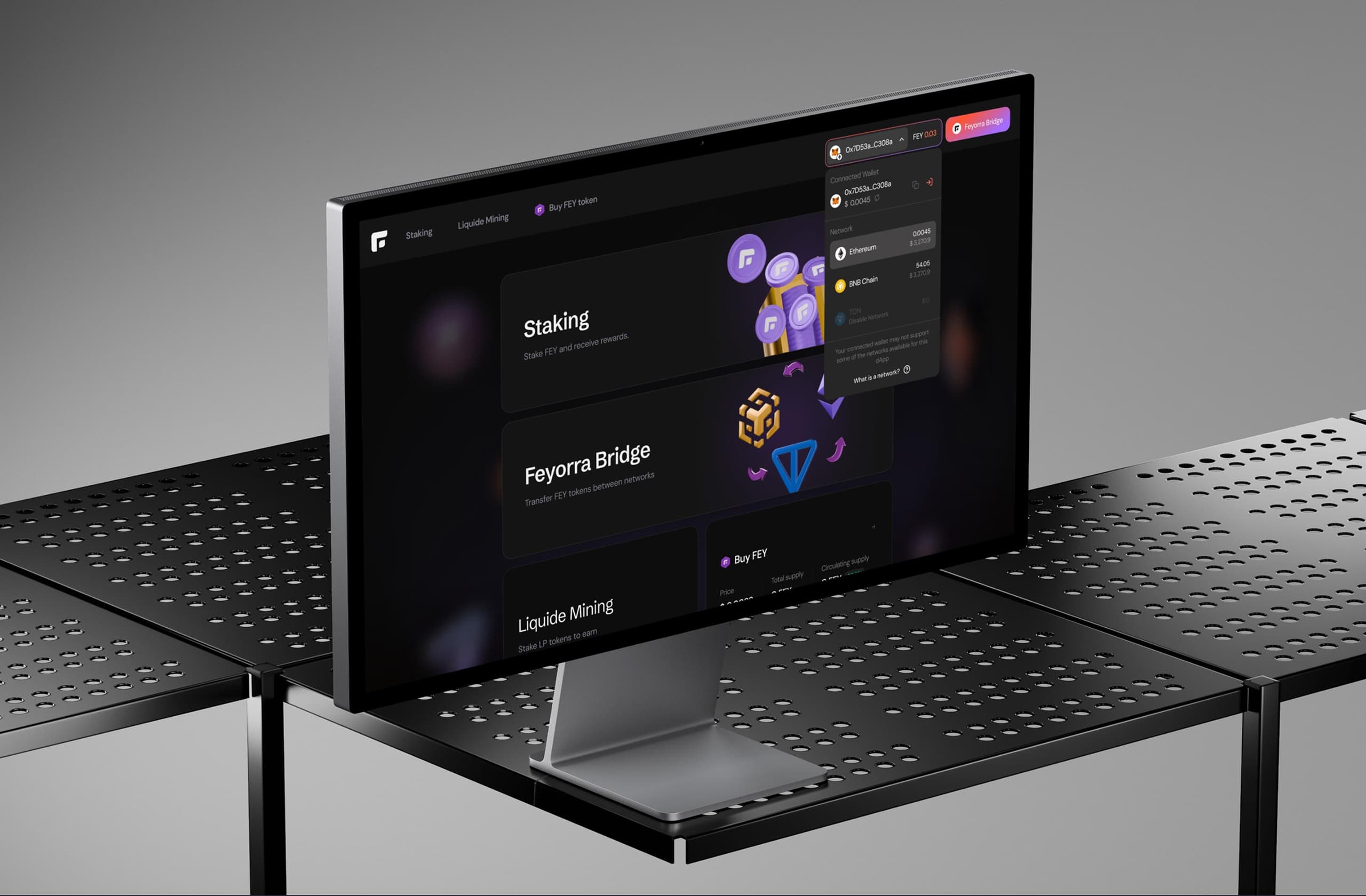
feyorra — dApp
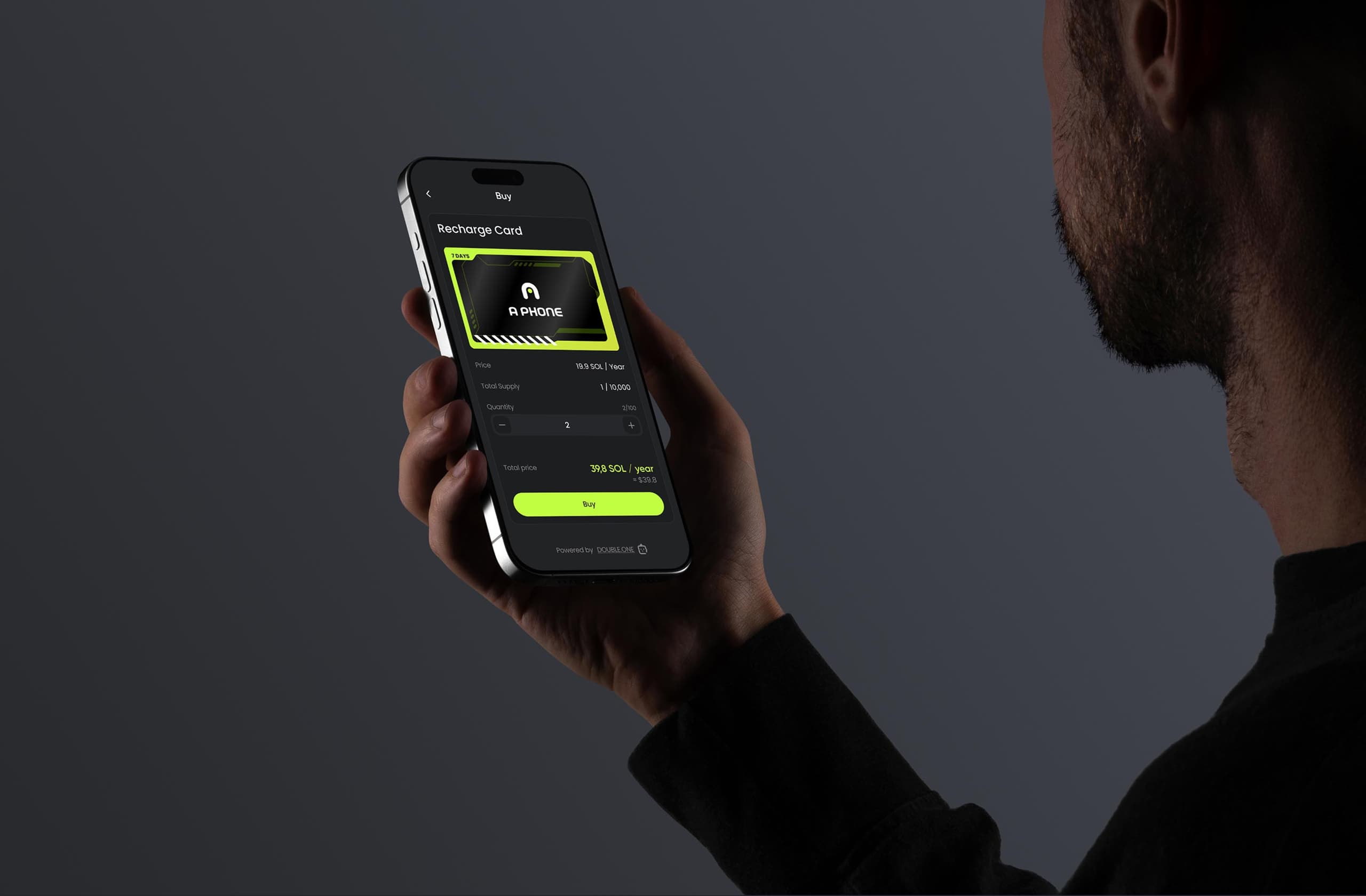
aphone — cloud-phone
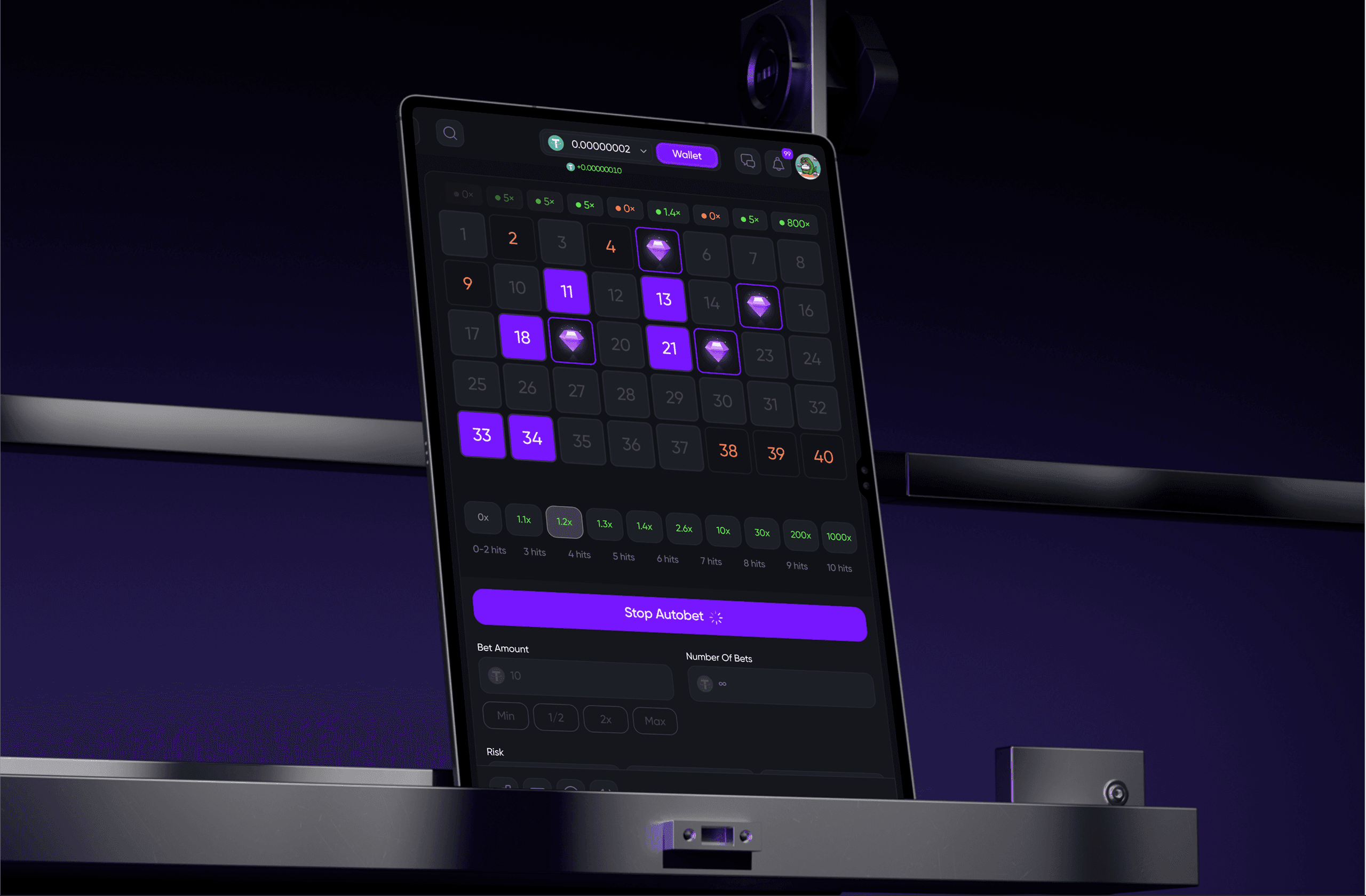
kaspa — De-Fi Platform

/Clients/

Client

Froggik

"DESH Team maintained effective communication throughout the project."

Thanks to DESH Team's work, the client saw increased product recognition within the cryptocurrency community. The team managed the...

Viktoriia Bernatska

Co-Founder

ChainCrafters

"I liked their corporate policy and how they turned to customers and their wishes."

DESH Team delivered the project on time, effectively improving the site's UX and flow. The team took the time to understand the cl...

Kolya Vovkun

CEO, Founder

Dropshipping

"I really like how they treat their clients."

DESH Team successfully completed all deliverables; the branding was a great fit for the client's company, and the website was done...

Tetyana Yarchak

CEO

/FAQ/

FAQ’s

Yes, and that is the usual case. Collection and labelling get planned as part of the project. For rare defects we use anomaly detection and augmentation, which need far fewer positive examples than a classifier would.

Often. We check resolution, placement and lighting first, because those constrain accuracy more than model choice does. Where a camera cannot support the task we say what would need to change and roughly what it would cost.

Not if it cannot. Models run on edge devices or a local server, sending events and metrics rather than footage. For privacy-regulated environments that is usually the right architecture anyway.

We hold out a test set from your real footage, weighted toward the hard cases, and report per-class performance on it. If the model does not clear the agreed bar, it does not ship. That conversation happens before installation rather than after.

Seasonal light, new product variants and camera drift all degrade accuracy over time. We set up monitoring and a retraining path, and feed the misses into the next training round rather than treating the model as finished at launch.

left
right
cta background
Ready to check everything, instead of a sample?
Let's look at your cameras and your defect data first, then build something that clears a bar you set on your own footage