Dash
clutch rating

Wallet Design Where Recovery Is A Flow, Not A Warning

Onboarding, backup, signing and recovery for mobile, extension and embedded wallets — designed for the user who has never held a private key before
500K+
Users onboarded through the Web3 interfaces we've designed
30+
Design projects delivered for onchain products
4 years
Designing custody and signing flows people can finish

/Our client say/

"I liked their corporate policy and how they turned to customers and their wishes."
client avatar
Kolya Vovkun
CEO, Founder of ChainCrafters
Read moreButtonDots

/Why DESH for Wallet Design/

The Safe Path Has To Be The Easy Path
Why warning screens don't protect anyone, and what does
And verified, not declared
Backup Where It Means Something

A red banner before the user owns anything is a banner they dismiss to reach the balance

We place backup at the moment there is something worth protecting, and verify completion rather than trusting a checkbox

Where the custody model allows it, recovery doesn't depend on the user having done anything correctly months earlier

Decoded intent, not calldata
Signing People Can Read

With transaction simulation the prompt can say what actually changes — this token leaves, this allowance is granted, this much goes to gas

Unlimited approvals and known drainer patterns get an explicit designed warning instead of a neutral confirm button

Every prompt a user cannot read trains them to approve without looking, which is exactly what drainers count on

By people who didn't build it
Recovery Gets Tested

Onboarding and recovery are exactly where confident-looking designs fail, and the only way to find it is to watch a stranger try

We usability-test those journeys before launch, on a second device, without help

It is the cheapest insurance a wallet can buy, and almost nobody does it

/What We Design/

The Wallet Surface, Onboarding To Recovery
The moments where users are most likely to lose access, and the everyday surface they judge the product by
01
Onboarding
First-run journeys for both crypto-native and first-time users, with each concept introduced where it changes what they should do.
02
Backup & Recovery
Seed, MPC and smart-account creation, guardian setup, device migration and recovery designed as a rehearsed path.
03
Portfolio & Assets
Token, NFT and staking position views with readable, decoded transaction history.
04
Send, Swap & Bridge
Everyday money movement with fees, routes and destination checks presented before the point of no return.
05
Signing & Warnings
Approval prompt design built on simulation, plus risk and scam-detection patterns for the dangerous cases.
06
Brand & System
Wallet identity and a component system spanning mobile and extension, with dev-ready handoff and design QA.

/Where we step in/

Designing custody experiences at every stage, from an embedded wallet to a standalone consumer product
card image
For early-stage products
  • Embedded wallet inside an existing app
  • First onboarding and backup flows
  • Custody model explained in plain language
  • Prototypes tested with new users
Embedded wallet,
first users,
onboarding
card image
For scaling products
  • Recovery flow redesign
  • Signing and warning patterns
  • New chains and asset types
  • Component system across platforms
Live wallet,
recovery,
new chains
card image
For ecosystem players
  • Standalone consumer wallet design
  • Wallet SDK surfaces for partners
  • Multi-product design consistency
  • Ongoing usability testing
Consumer wallet,
SDK,
multi-product system

/Cases/

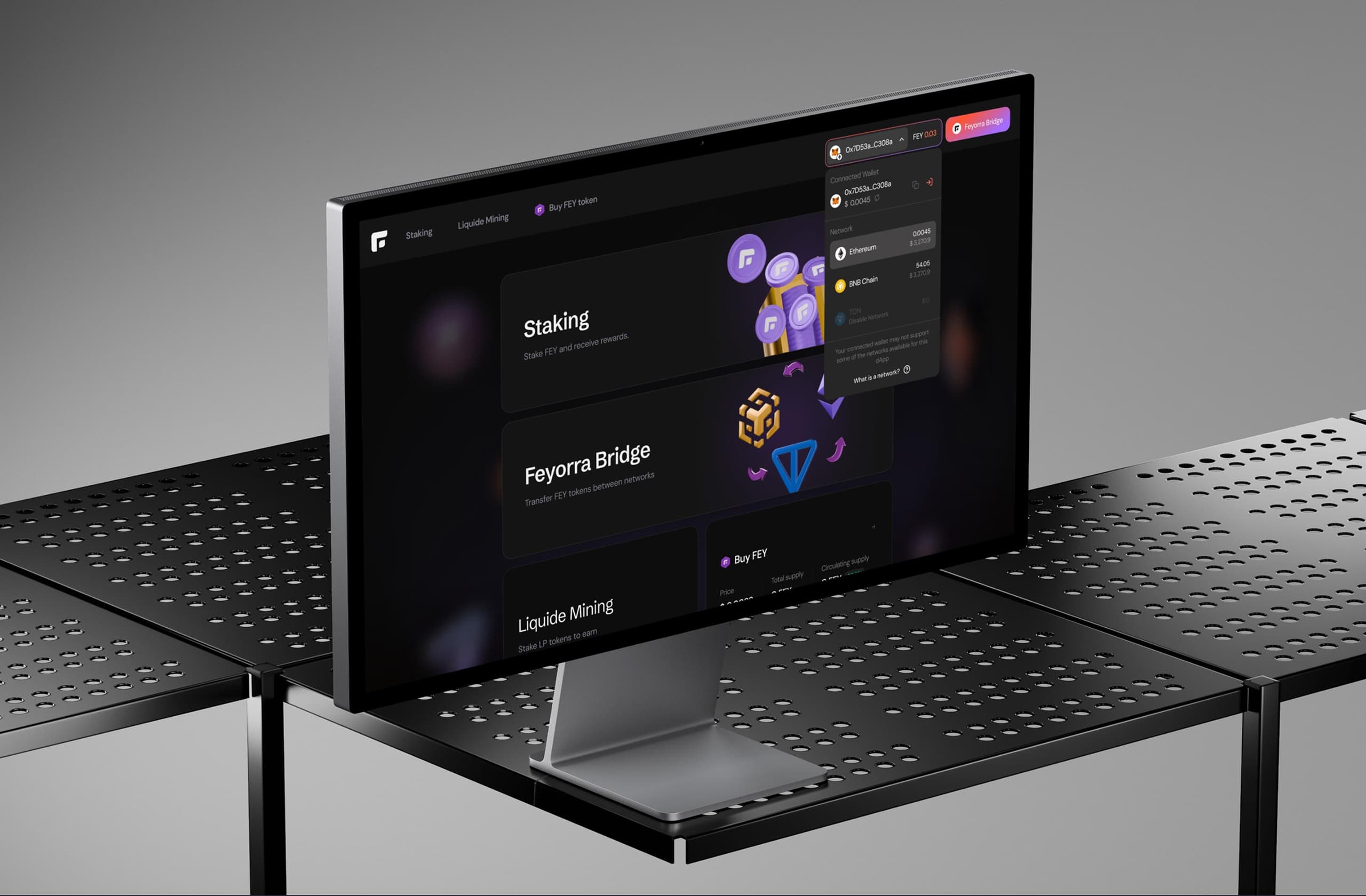
feyorra — dApp
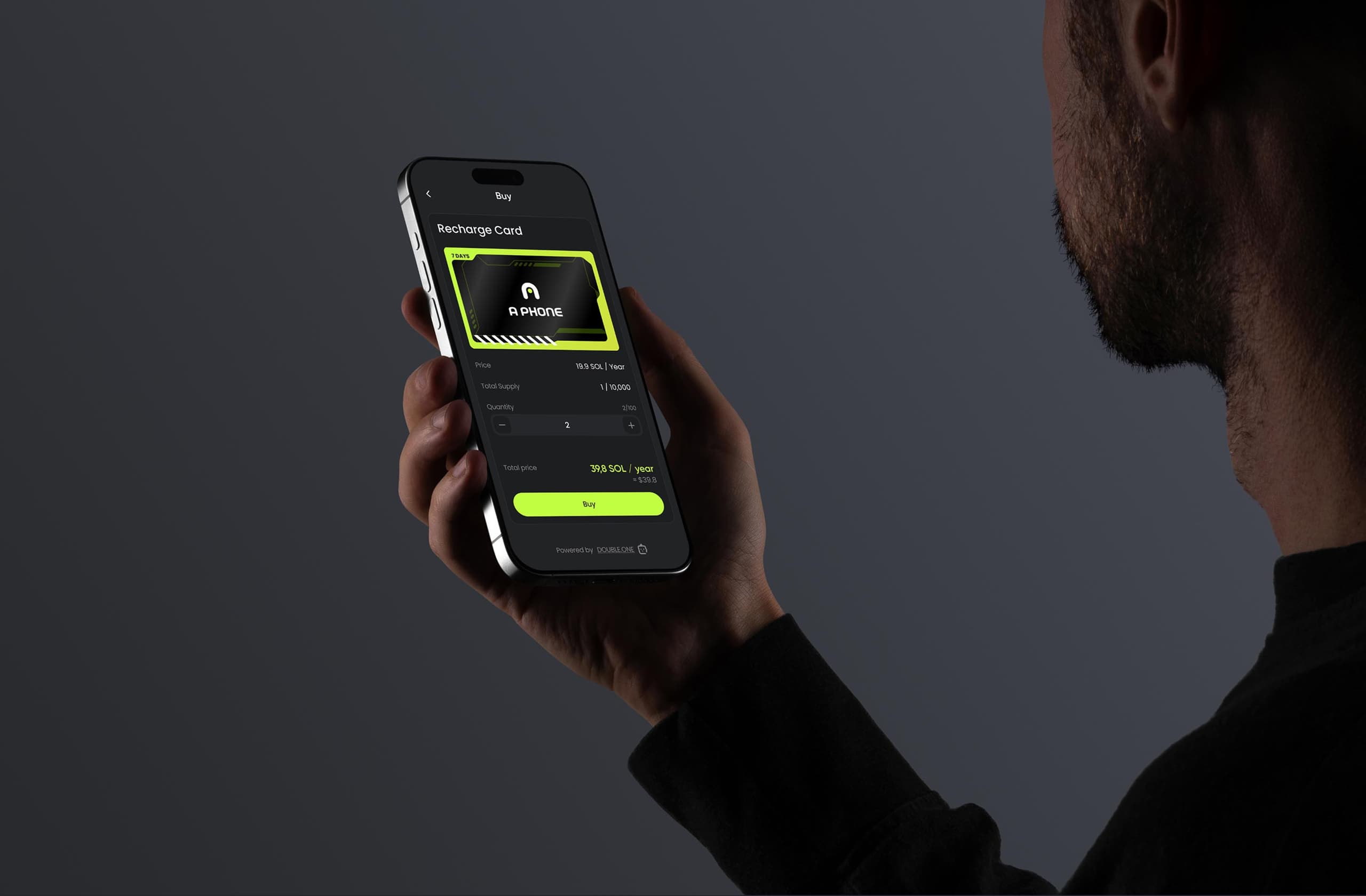
aphone — cloud-phone
kaspa — De-Fi Platform

/Clients/

Client

Froggik

"DESH Team maintained effective communication throughout the project."

Thanks to DESH Team's work, the client saw increased product recognition within the cryptocurrency community. The team managed the...

Viktoriia Bernatska

Co-Founder

ChainCrafters

"I liked their corporate policy and how they turned to customers and their wishes."

DESH Team delivered the project on time, effectively improving the site's UX and flow. The team took the time to understand the cl...

Kolya Vovkun

CEO, Founder

Dropshipping

"I really like how they treat their clients."

DESH Team successfully completed all deliverables; the branding was a great fit for the client's company, and the website was done...

Tetyana Yarchak

CEO

/FAQ/

FAQ’s

All of them, and the custody model changes the design more than anything else does. A seed-phrase wallet has to make backup unavoidable; an MPC wallet can offer recovery but has to explain who holds what; a smart account can sponsor gas and batch actions but introduces its own concepts. We design to the model you have chosen rather than a generic wallet template.

By moving it and verifying it. Backup lands at the point where the user has something worth protecting rather than before they have anything, and completion is verified rather than declared. Where the custody model allows it, we design a recovery path that doesn't depend on the user having done anything correctly months earlier.

That is one of the highest-leverage parts of the work. With transaction simulation, the prompt can state what will actually change — this token leaves, this allowance is granted, this much is spent on gas — instead of showing calldata. Unlimited approvals and known-risky patterns get explicit, designed warnings.

For wallets, yes — especially onboarding and recovery. Those flows are where confident-looking designs fail, and the only reliable way to find it is to watch someone who has never seen the product try to finish them on their own.

Yes. Wallet engineering sits in the same team, so design and implementation run as one engagement — see our crypto wallet development service for what that covers.

left
right
cta background
Ready to design a wallet, people don't lose?
Let's start where the risk is — onboarding, backup, signing and recovery — and design flows a first-time user can actually finish